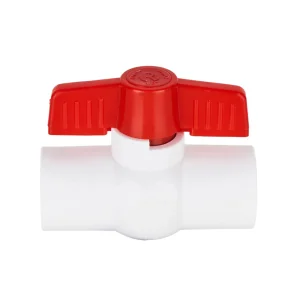
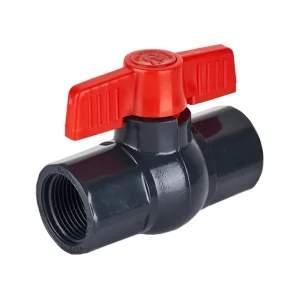
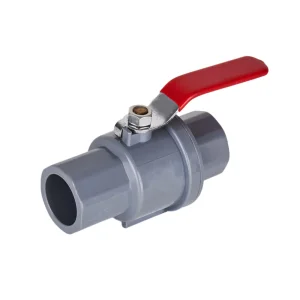
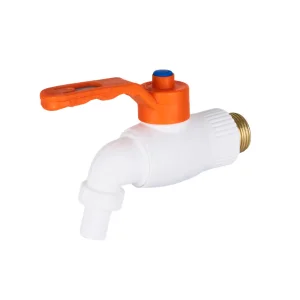
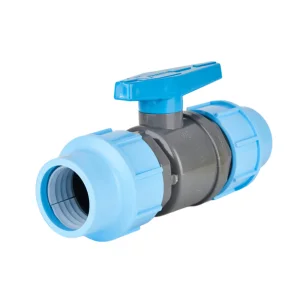
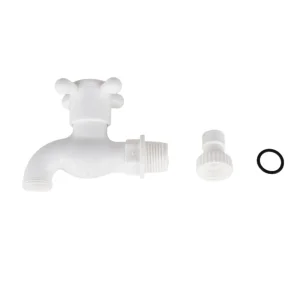
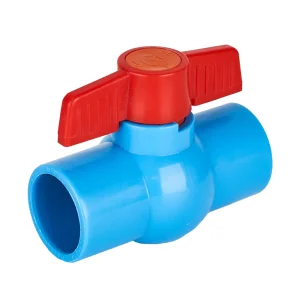
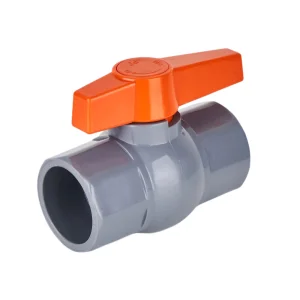
In modern piping and fluid conveyance systems, the 4-inch PVC ball valve (DN100) serves as a critical junction component. As industrial processes scale up to balance material costs and chemical resistance, the transition from traditional metallic systems to high-performance polymers has accelerated. High-density Polyvinyl Chloride (PVC) and Unplasticized Polyvinyl Chloride (UPVC) stand out as the premium material choices for large-scale operations.
Historically, large-diameter valves constructed from carbon steel or bronze presented substantial challenges, including severe chemical oxidation, scale build-up, heavy structural load, and prohibitive shipping and installation costs. Today, specialized manufacturers in China utilize state-of-the-art polymer formulations to engineer 4-inch ball valves capable of handling high fluid velocities, aggressive corrosive chemicals, and wide pressure variations. These properties make them standard installations across municipal water networks, mining operations, industrial waste disposal, and large-scale agricultural systems.
Enterprise buyers and procurement managers face complex compliance matrices when sourcing flow control components globally. Sizing tolerances, pressure limits, and chemical certifications must align seamlessly with regional infrastructure requirements. Ehao Plastic Group ensures all valve productions strictly conform to global standards:
Sourcing from an ISO 9001:2015 certified manufacturer with integrated laboratory facilities ensures that the physical dimensions and structural integrity of a 4-inch PVC valve hold constant. In continuous process industries, a variation of even a millimeter in socket depth or a slight eccentricity in the ball mold can lead to system-wide failures and unscheduled downtime.
The reputation of Chinese manufacturing has evolved from basic mass production to high-tech, automated engineering. At Ehao Plastic Group, this transition is visible in our smart manufacturing facilities. We have integrated advanced German-engineered automatic injection molding systems and high-precision tooling technologies. This level of automation eliminates human error, guarantees shot-to-shot consistency, and ensures that the internal surface of each 4-inch valve body remains smooth, minimizing fluid friction coefficients and scale buildup.
Our research and development program is backed by ongoing academic partnerships with the Chinese Academy of Sciences and Zhejiang University. This collaboration allows us to innovate in polymer chemistry, creating specialized plastic formulations with enhanced UV resistance, high thermal tolerance, and superior tensile strengths.
Reliability is the cornerstone of E-E-A-T. Ehao Plastic Group subjects every batch of valves to a strict 26-step verification process before packaging. Key metrics monitored include:
| Testing Category | Test Parameters | Industrial Importance |
|---|---|---|
| Hydrostatic Pressure | Tested up to 1.5 times the rated working pressure (e.g., PN16) | Prevents field blowouts and handles pressure spikes. |
| Torque Specification | Actuation force measured under full pressure loading | Ensures smooth manual or automated actuator operation. |
| Dimensional Consistency | Laser micrometric verification of socket and thread depths | Guarantees leak-proof solvent cementing or threaded joints. |
| Thermal Cycles | Alternating hot and cold fluid tests under pressure | Simulates real-world outdoor weather and seasonal variations. |
These quality assurance practices ensure that when you purchase a 4-inch PVC ball valve from our factory, you receive a component engineered for long-term service, low maintenance costs, and high durability.
Ehao Plastic Group manufactures versatile, high-grade plastic products that support vital infrastructure, modern agriculture, and industrial operations worldwide.
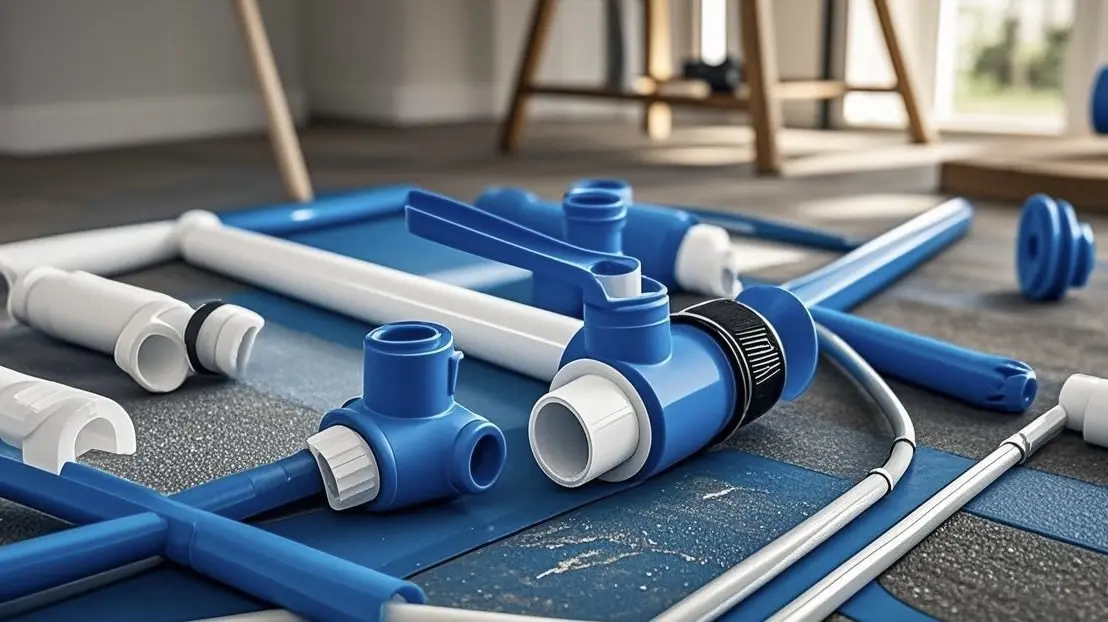
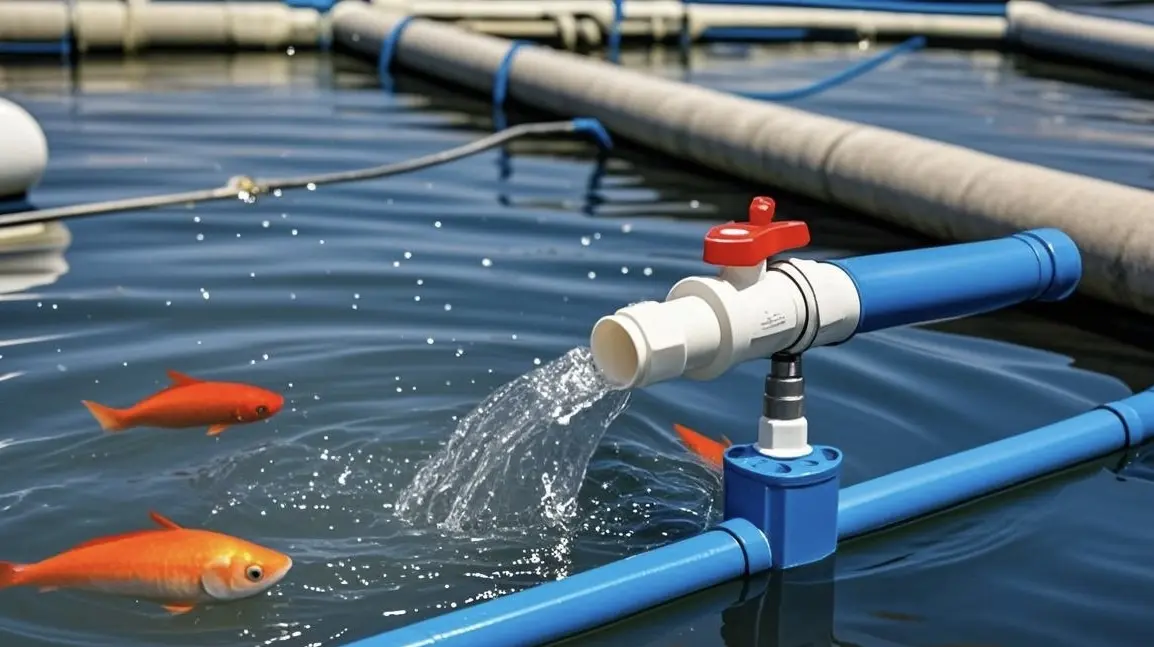
Ehao Plastic Group is more than a valve supplier; we are an integrated engineering partner. We specialize in building custom plastic injection molds and developing specialized extrusion and injection molded parts for clients in 28 countries. From selecting the right resins to adjusting wall-thickness specifications, we assist our partners through every step of their project.
Our technical capabilities extend to designing customized tooling for OEM requests. We optimize mold layouts to minimize material waste and shorten cycle times, passing these cost savings directly to our clients.
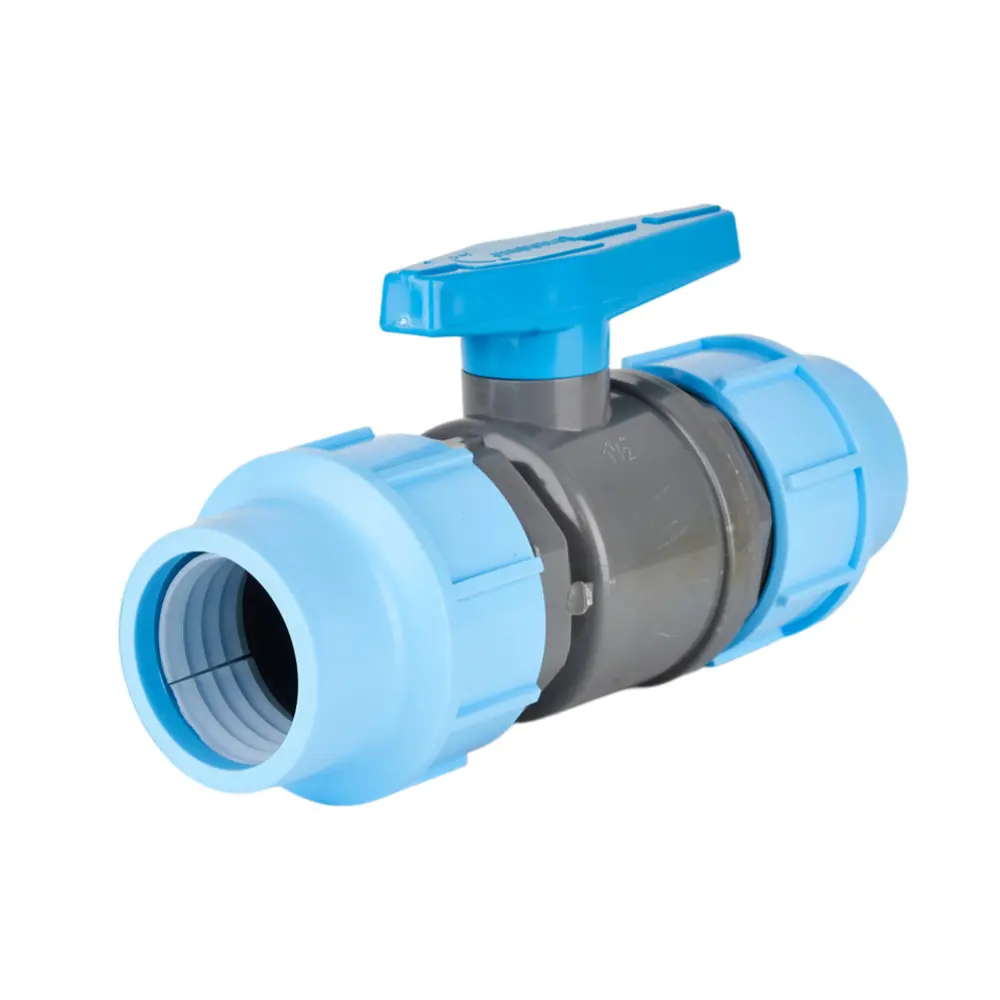
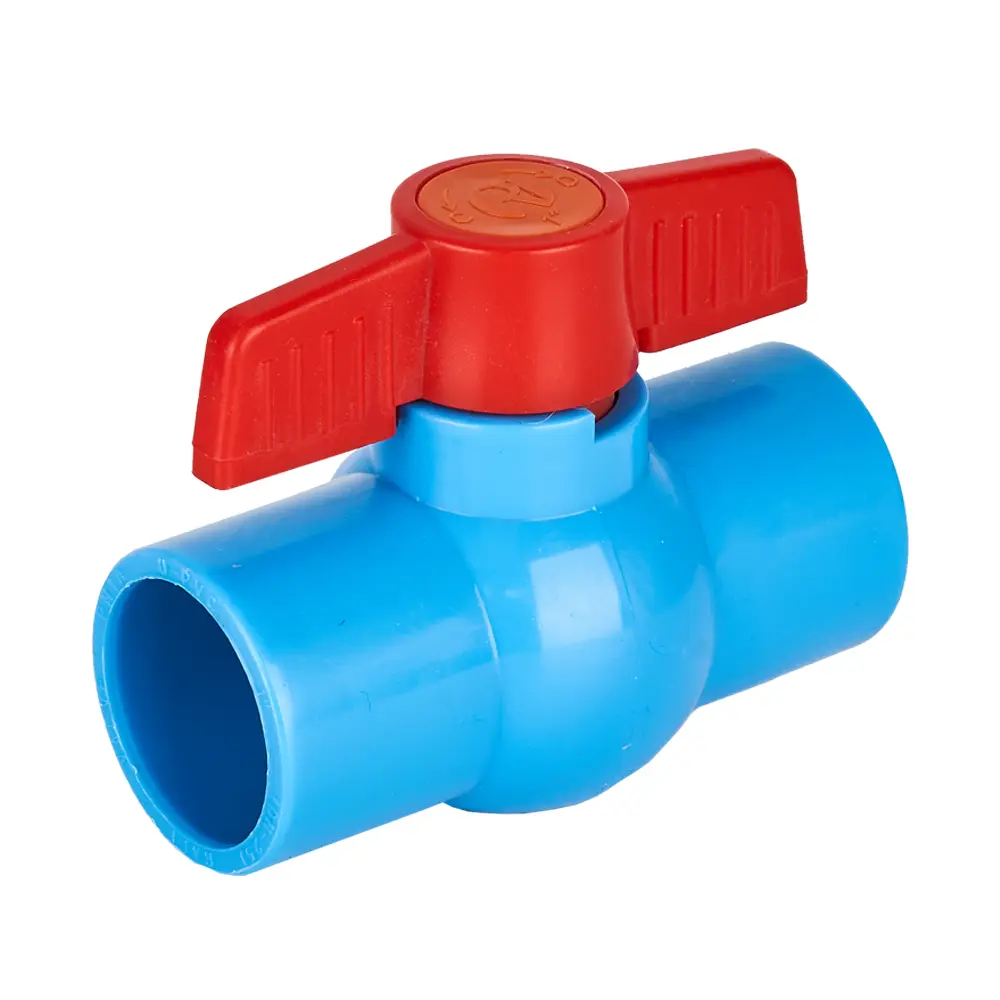
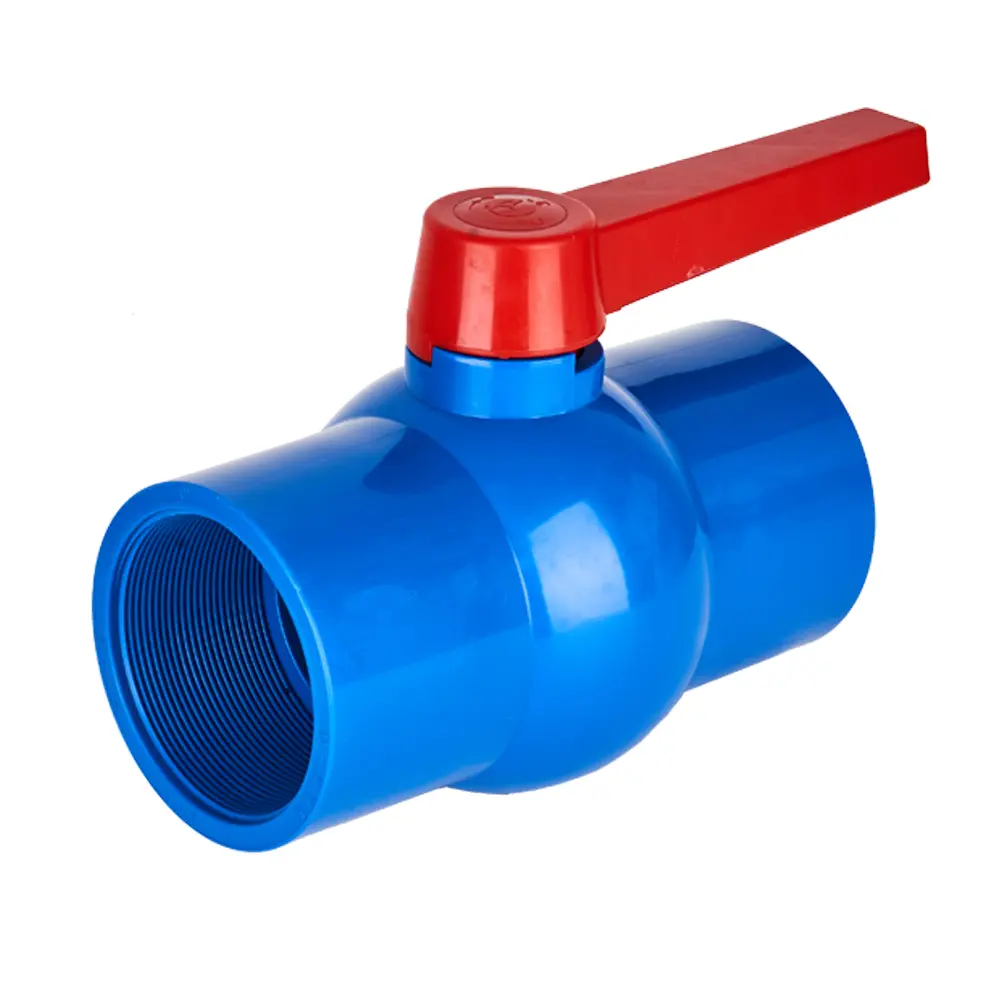
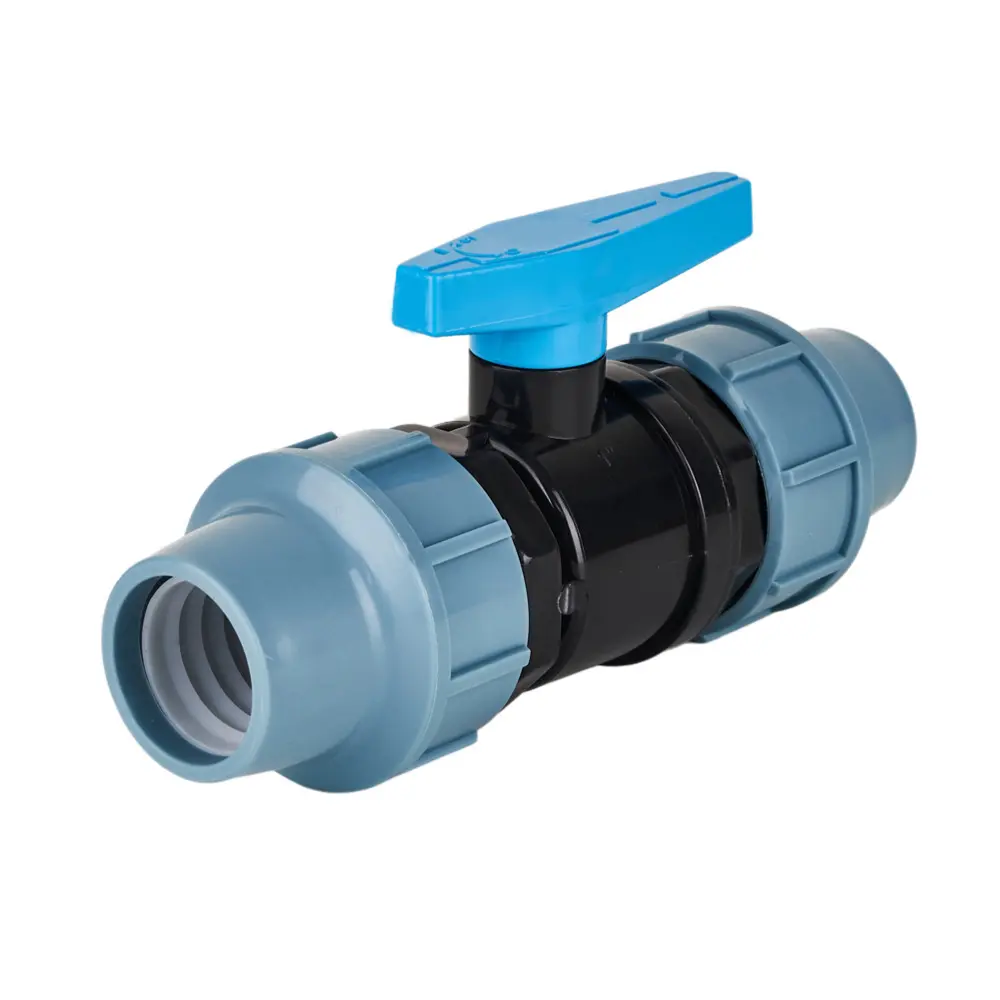
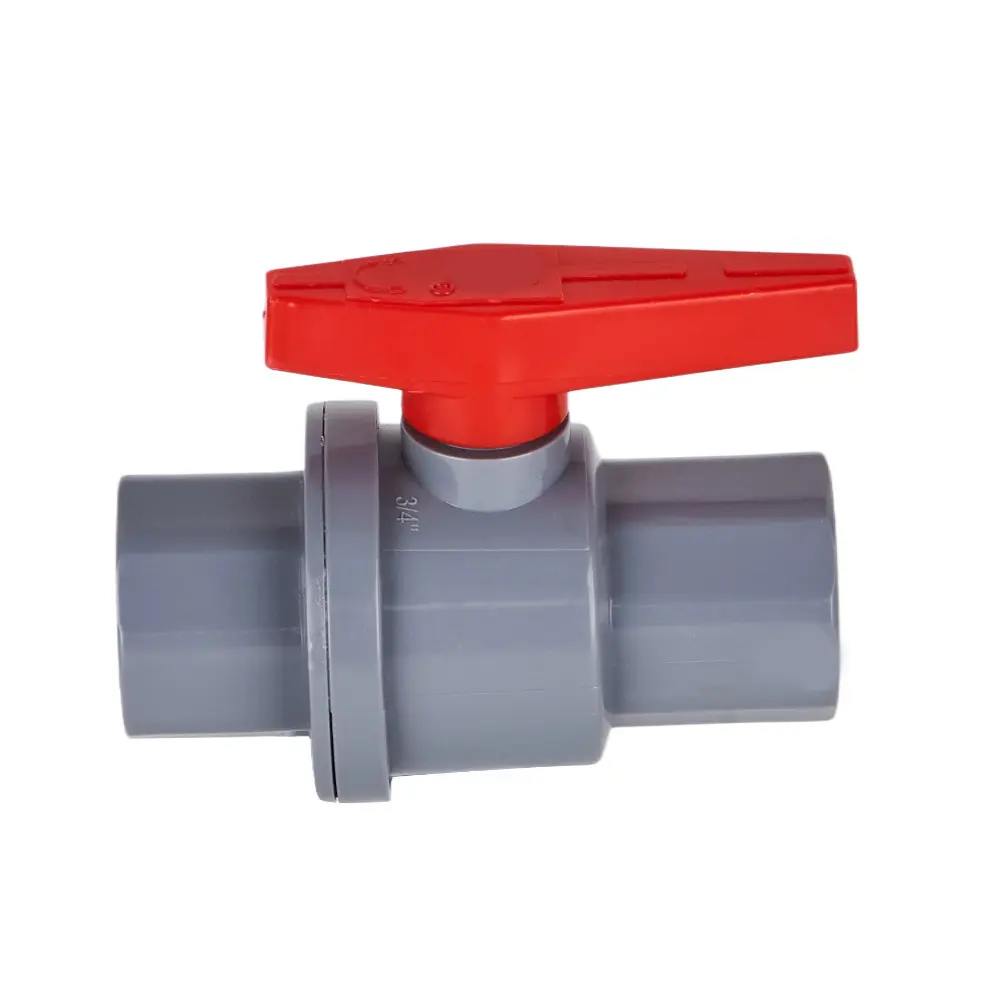
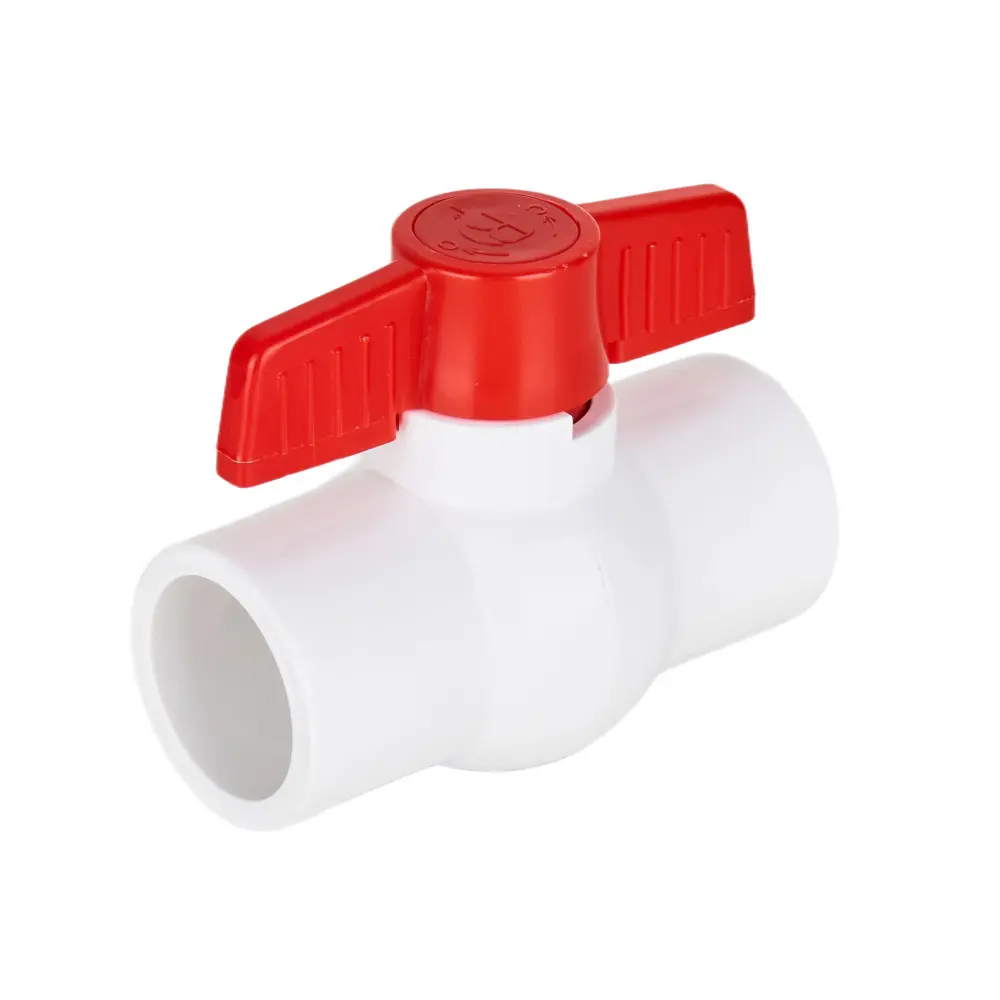
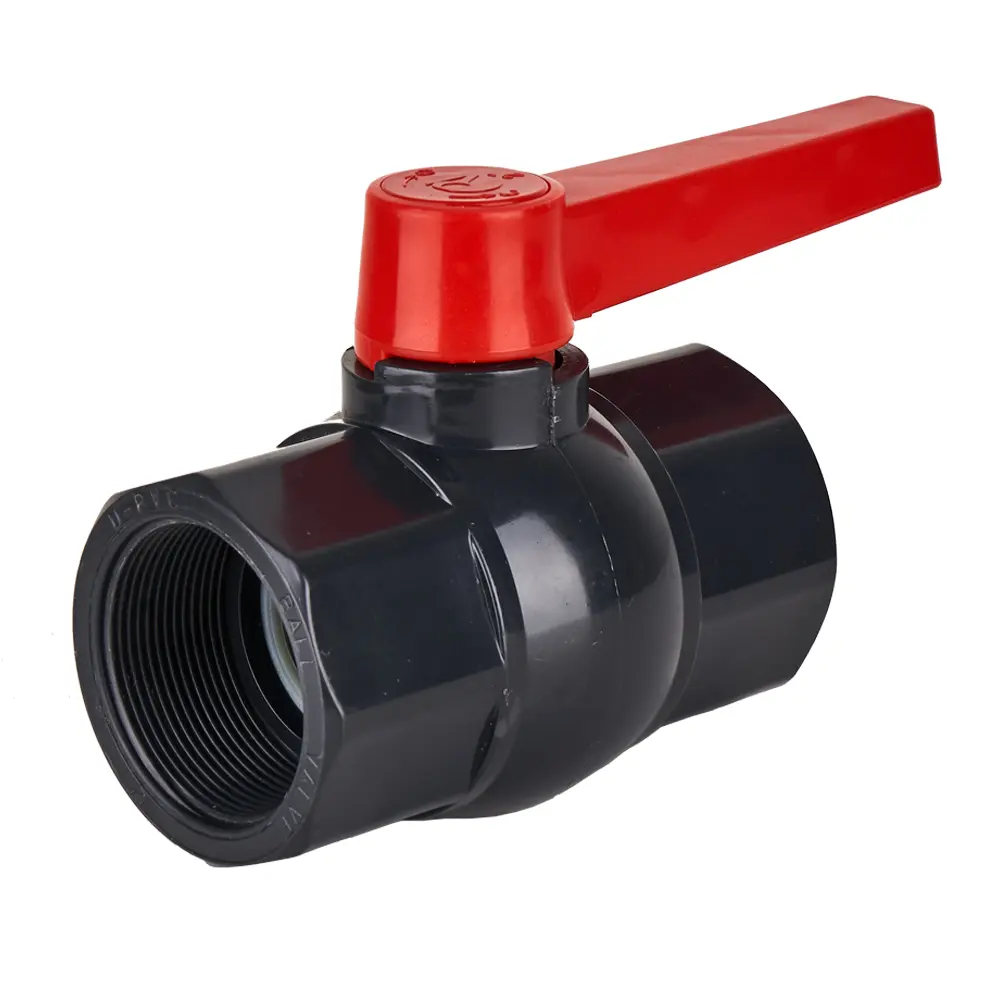
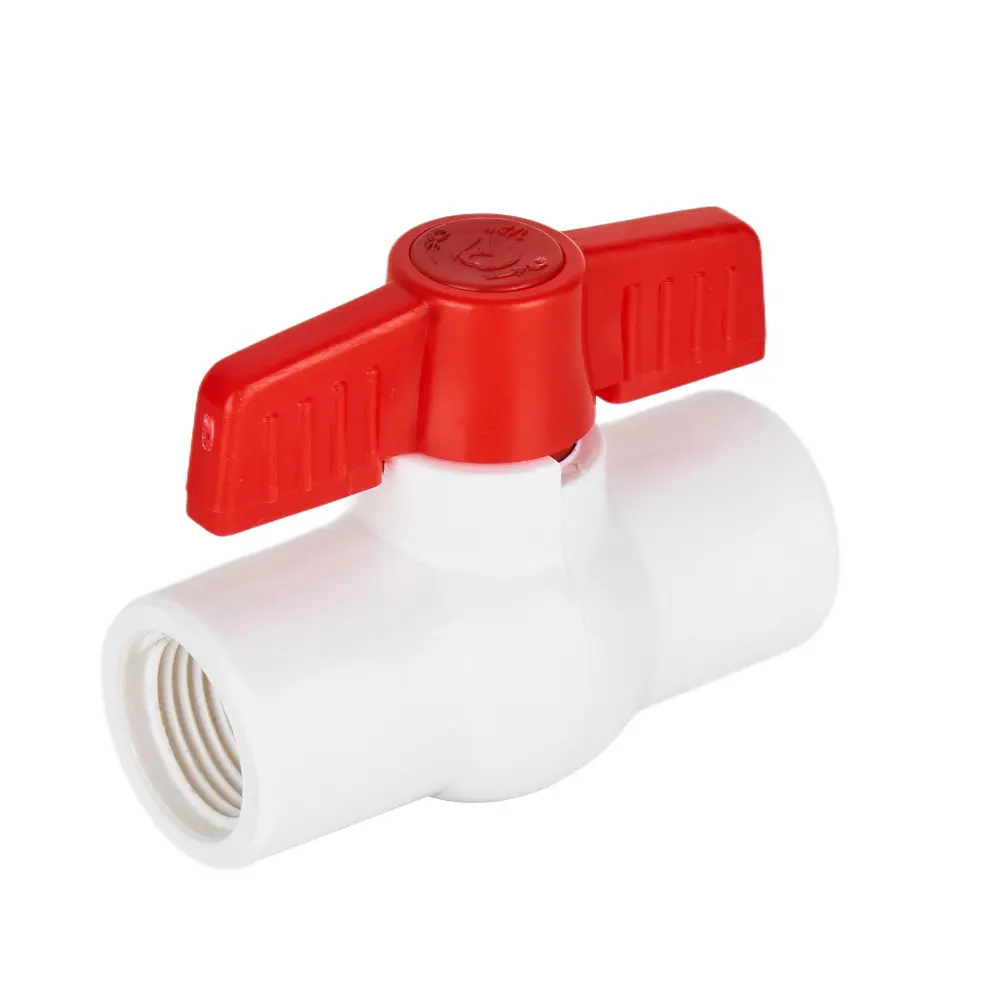
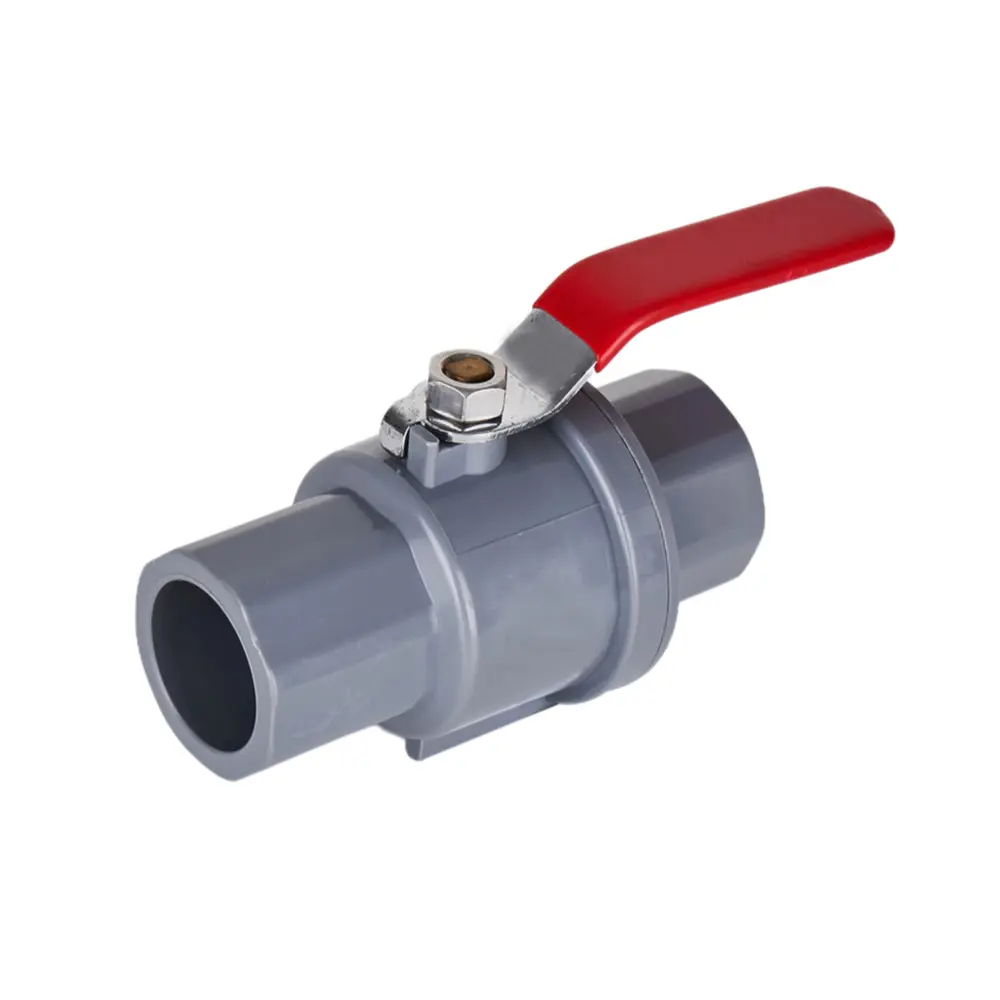
The internal sealing of a 4-inch PVC ball valve determines its life span and leak prevention capabilities. Under high-flow industrial loads, seal degradation is a primary cause of valve failure. Ehao Plastic Group utilizes premium PTFE (Polytetrafluoroethylene) ball seats paired with high-elasticity EPDM (Ethylene Propylene Diene Monomer) O-rings to ensure a tight seal.
PTFE provides low friction coefficients, minimizing the torque required to actuate the valve. It is highly resistant to aggressive acids, chlorine solutions, and alcohols. EPDM O-rings provide resilient sealing force, retaining their elasticity through temperature changes and pressure fluctuations. This makes our 4-inch PVC ball valves suitable for high-stress applications like chemical dosing, commercial aquaculture, and deep-well agricultural irrigation.
To meet clean water certifications, all raw polymers and elastomers utilized in our factory undergo extraction tests. This ensures no toxic plasticizers, lead stabilizers, or chemicals leach into the water, meeting international municipal drinking water standards.
A 4-inch PVC ball valve offers chemical resistance, a lightweight structure, and a lower total cost of ownership. Metal valves, such as cast iron or brass, are susceptible to electrochemical corrosion, scaling, and oxidation, especially when conveying seawater, acids, or treated wastewater. Additionally, the lightweight nature of PVC reduces installation times and structural support costs.
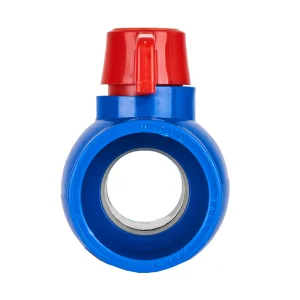
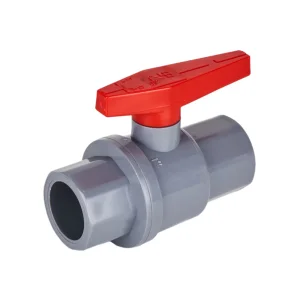
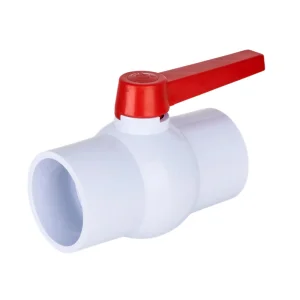
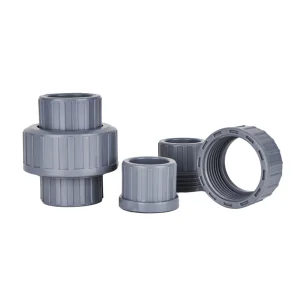
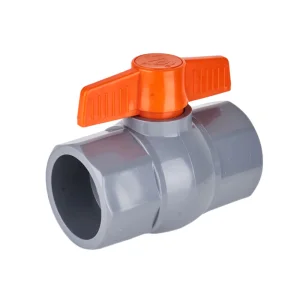
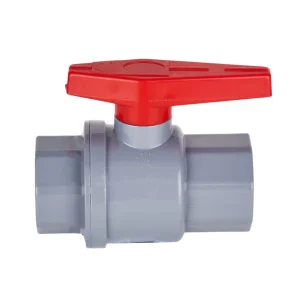
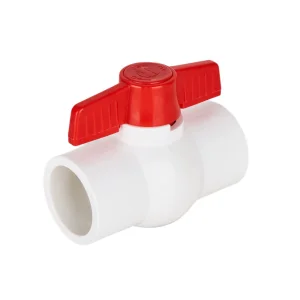
Double Union PVC ball valves feature dual union nuts that allow the valve body to be removed from the pipeline for cleaning, seal replacement, or maintenance without cutting the pipe. Compact PVC ball valves are molded as a single unit, providing a lightweight, economical option for applications where valve maintenance is not frequently required.
Our factory utilizes a 26-step scientific testing process. Every batch is subjected to hydrostatic shell and seat pressure testing, mechanical torque verification, and dimensional checks. Our collaborations with Zhejiang University and the Chinese Academy of Sciences ensure our polymer formulations are durable, and we maintain a 100% ex-factory pass rate.
Normally, our 4-inch Schedule 80 and PN10/PN16 PVC valves operate efficiently between 0°C to 45°C (32°F to 113°F). For higher temperatures, we offer customized CPVC formulations. The working pressure limit depends on the standard, ranging from PN10 (10 Bar) to PN16 (16 Bar) at ambient temperatures.
Yes. Ehao Plastic Group has a dedicated mold-making workshop. We manufacture customized plastic injection molds and supply tailored components based on drawings, physical samples, or specific material specifications to meet our buyers' requirements.
 EHAO
EHAO