Choosing among China’s leading Polyethylene Valves manufacturers and suppliers requires more than comparing prices. Buyers should examine resin specifications, pressure ratings, valve design, and documented quality controls. A ball valve may look robust on a product page, yet its sealing performance depends on material consistency and careful assembly.
No source article or verifiable expert quotation was provided, so I cannot responsibly assign a quotation to a named industry expert. A real quotation should be checked against its original source before publication. This matters. E-E-A-T depends on evidence, not merely confident wording.
For practical evaluation, ask suppliers for technical datasheets, test records, and clear guidance on compatible pipe systems. Check the intended service conditions, operating temperature, connection type, and maintenance requirements. If possible, request product samples or arrange a factory audit. Inspect the valve body, stem, and seals closely; small defects can matter after repeated operation.
China’s supplier landscape includes manufacturers with different levels of specialization, export experience, and technical support. Some provide detailed documentation; others leave important questions unanswered. That gap deserves attention. This guide will introduce key manufacturers and suppliers, then outline comparison points that help buyers assess product suitability, production capability, and after-sales support. Its aim is not to declare one universal winner, but to help readers ask sharper questions and make a more informed shortlist.
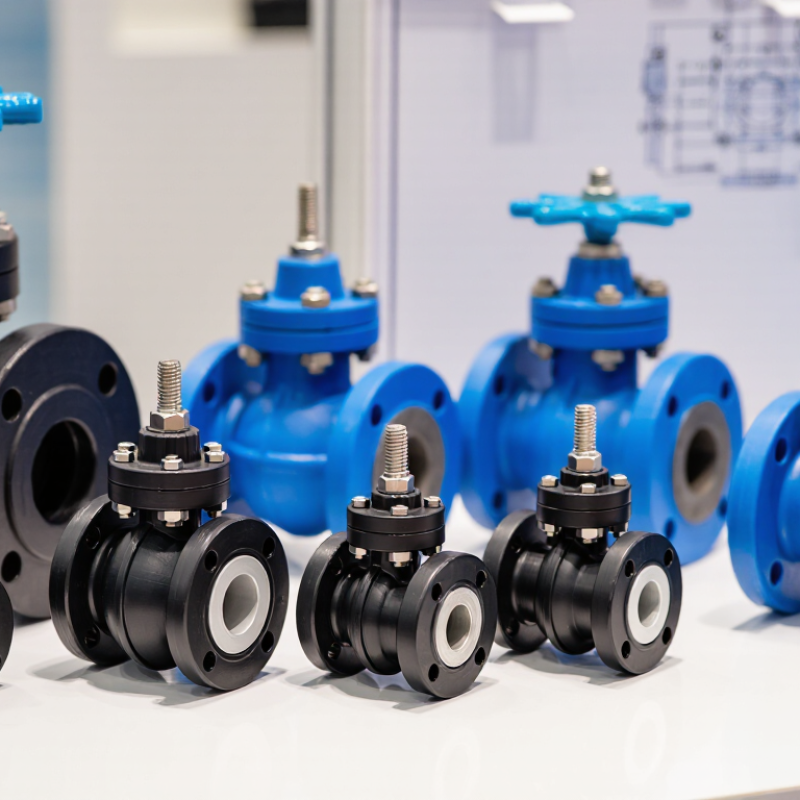
Polyethylene valves control flow in water, irrigation, and industrial piping systems. Their bodies are made from polyethylene, a lightweight, corrosion-resistant thermoplastic. Inside, a ball, gate, or diaphragm moves to open, throttle, or stop the flow. A quarter-turn handle often operates ball valves; slower gate mechanisms suit isolation. Simple, but not foolproof. Grit can wear sealing surfaces, while excessive heat or pressure can deform components.
The Plastics Pipe Institute’s Handbook of PE Pipe discusses a 100-year design-life basis for properly selected polyethylene pressure piping, derived from long-term hydrostatic testing and extrapolation. That figure is not a guarantee for every valve. Actual service depends on pressure, temperature, fluid compatibility, installation, and operating cycles. For example, a valve exposed to frequent rapid closure may experience pressure surges, even when its pipe system is correctly rated. Check the valve’s pressure class and connection method against the system design, and inspect seals for leakage during commissioning. A missed detail can matter.
China’s polyethylene valves are used mainly where compatible polyethylene pipelines carry water, gas, or process fluids. Municipal water networks use them at service connections, branch lines, and buried distribution points, where corrosion resistance and low maintenance matter. The Ministry of Water Resources’ China Water Resources Bulletin 2023 reports national water use of 687.6 billion cubic metres, including 97.1 billion for industry. That scale supports demand for dependable water infrastructure, though it does not measure valve sales.
Natural gas distribution is another important application. The National Bureau of Statistics reported that China’s natural gas consumption reached about 394.5 billion cubic metres in 2023. Polyethylene valves can serve suitable low- and medium-pressure distribution systems, subject to design requirements. Agriculture also uses them in irrigation lines, while mining and chemical facilities may install them for compatible fluids. A dusty irrigation junction or a buried gas branch makes the practical appeal clear. The details matter. Material compatibility, pressure rating, temperature, and installation quality must all be checked; polyethylene is not right for every fluid or operating condition. That distinction is easy to overlook.
When assessing Chinese polyethylene valve manufacturers and suppliers, start with the application, not catalogue photos. State the fluid, operating pressure, temperature range, pipe size, connection type, and installation environment. A valve for cold water may not suit hot chemical service. Ask which polyethylene resin grade is used and request documented compatibility guidance.
Look for traceable quality records: incoming resin checks, molding parameters, dimensional inspections, and pressure-test results linked to production batches. Request drawings, material certificates, test methods, and acceptance criteria. Ask for evidence. Confirm that ratings apply to the exact valve size and configuration, not just a product family. If possible, inspect the workshop or arrange an independent sample check. A neat sample alone proves little. Review how defects are recorded and corrective actions verified.
Evaluate engineering support and supply reliability too. Can staff explain pressure loss, installation limits, and actuator options without vague promises? Check lead times, spare-part availability, packaging, and procedures for handling nonconforming goods. Compare quotations line by line; a low price may omit testing or documentation. Details matter. Supplier documents can use inconsistent translations, so confirm critical terms in writing. Keep an assessment record, then revisit your assumptions after the first delivery.
| Assessment Dimension | Suggested Weight | What to Assess | Evidence to Request and Verify |
|---|---|---|---|
| Applicable standards and market compliance | 20% | Confirm that the valve design and intended application match the requirements for the destination market, such as gas distribution or water supply. Relevant standards include ISO 4437-4 for valves in PE gas piping systems and ISO 4427-4 for valves in PE water-supply piping systems. | Request the applicable standard and edition, test reports, product certificates where required, and documentation showing that the certificate scope covers the quoted valve type, size, and application. Verify documents with the issuing organization. |
| Polyethylene material and compatibility | 15% | Check the specified polyethylene grade, such as PE80 or PE100 where applicable, and confirm compatibility with the intended pipe material and joining method. Material selection should suit the fluid, operating conditions, and project requirements. | Request material data sheets, batch inspection records, and documentation identifying the material grade. Confirm that the valve ends and dimensions are compatible with the specified pipe and fusion equipment. |
| Pressure, temperature, and service conditions | 15% | Assess the stated pressure rating, size range, temperature limits, fluid, and operating conditions. Pressure capability must be evaluated against the applicable standard and the complete piping system; it should not be inferred from the valve material alone. | Request product data sheets, rated operating limits, dimensional drawings, and relevant qualification or pressure-test reports. Check that the offered rating and conditions meet the project specification. |
| Design and joining options | 15% | Review valve type, flow path, operating method, end connections, and installation requirements. Confirm whether the design supports the specified butt-fusion or electrofusion connection and provides suitable access for operation and maintenance. | Request drawings, installation instructions, connection details, and sample specifications. Compare dimensions and interfaces with the project piping design and applicable standard. |
| Manufacturing quality and testing | 15% | Evaluate production controls, inspection procedures, nonconformance handling, and testing relevant to the valve’s intended use. A quality-management certificate alone does not establish that a particular product meets its technical requirements. | Request the quality-management certificate, inspection and test plan, representative test reports, and examples of corrective-action records. Check the certificate’s validity, scope, and issuing body. |
| Traceability and quality records | 10% | Confirm that finished products can be linked to production and material records, with identification suitable for inspection and project documentation. | Ask for examples of product markings, batch or lot records, material certificates, and a sample inspection dossier. Check that the records identify the relevant product and production batch. |
| Supplier capability and after-sales support | 10% | Assess production capacity, lead-time reliability, export experience, packaging, technical support, warranty terms, and the process for handling product complaints or replacement requests. | Request a factory audit or live production review, capacity and lead-time information, export-packing details, warranty terms, and documented complaint-handling procedures. Confirm that quoted capabilities apply to the specific product range. |
Evaluation note: The percentages are an illustrative buyer-side scoring framework, not a market ranking or an industry-wide standard. Confirm current standard editions, certification requirements, and project-specific acceptance criteria before placing an order.
China’s leading polyethylene valve manufacturers and suppliers serve water, irrigation, mining, and industrial piping projects. Their products commonly include ball, butterfly, and check valves made for polyethylene pipe systems. A dependable supplier should explain pressure ratings, temperature limits, connection methods, and the resin grade used. These details help buyers check whether a valve suits a specific line, rather than relying on a broad product description. Small details matter. Ask for technical drawings, material records, and inspection information. If possible, compare a sample with the project’s pipe dimensions before ordering.
Manufacturing capacity is useful, but it does not prove consistent quality. Buyers can ask how dimensions are checked, how finished valves are tested, and whether production records can be traced by batch. Clear answers are a good sign; vague promises deserve follow-up. I would not treat a polished catalog as proof. That is an easy mistake to make. Suppliers should also discuss lead times, spare parts, packaging, and support after delivery. For export projects, confirm that documents match the actual order and that the proposed valve connections fit the installation plan. A careful comparison often reveals gaps before they become costly site delays.
Standard nominal pressure ratings for PE100 pipe by Standard Dimension Ratio (SDR). These are pipe-system ratings, not independently verified ratings for any specific valve.
Reference values: PE100 pipe is commonly rated PN 16 at SDR 11, PN 10 at SDR 17, PN 8 at SDR 21, and PN 6.3 at SDR 26. Actual allowable pressure depends on applicable standards, temperature, fluid, and system design.
When comparing Chinese polyethylene valve suppliers, look beyond catalog photos and quoted prices. Ask which resin grades they use, and request batch records that connect finished valves to incoming material. A clear answer matters. Check pressure ratings, temperature limits, and whether the valve design suits your pipe dimensions and joining method. For projects using butt or electrofusion, confirm compatibility before ordering; small dimensional differences can complicate installation.
Review how quality is verified, not just whether a supplier says it is checked. Request inspection plans, pressure-test records, and examples of traceability documents. If possible, assess a sample for finish, markings, and consistent dimensions. Ask how defects are handled and how quickly technical questions receive a specific answer. Capacity also matters: a factory may meet a sample order but struggle with repeat production or changing schedules. Verify lead times, packaging, and export documentation early.
Communication is part of quality. Clear drawings and written specifications reduce avoidable misunderstandings. No checklist is perfect. A polished document cannot replace independent verification, and a low price may reflect a different scope of testing. Compare suppliers against the same technical requirements, then record any unresolved points before committing.
Municipal water networks use them at service connections, branch lines, and buried distribution points. Agriculture uses them in irrigation lines. Mining and chemical facilities may use them for compatible fluids.
They resist corrosion and can require less maintenance. China’s reported water use reached 687.6 billion cubic metres in 2023. That figure shows infrastructure scale, not valve sales.
They can suit some low- and medium-pressure gas systems. Check design requirements, pressure ratings, and installation conditions. A buried branch still needs careful planning.
Specify the fluid, pressure, temperature range, pipe size, connection type, and installation environment. Small details matter. A cold-water valve may not suit hot chemical service.
Ask for resin records, production-batch traceability, dimensional inspections, and pressure-test results. Request drawings, material certificates, test methods, and acceptance criteria. A neat sample proves little.
Confirm the valve dimensions and joining method match the pipe system. For butt or electrofusion connections, verify compatibility before ordering. I would still recheck the measurements.
Compare testing, documentation, lead times, spare parts, packaging, and export documents. A low price may cover a different scope. Check quotations line by line.
Ask how defects are recorded and corrective actions verified. Check repeat-production capacity and technical response quality. No checklist catches everything; revisit your assumptions after delivery.
This article explains what Polyethylene Valves are, how they control the flow of liquids or gases, and why their corrosion resistance, light weight, and durability make them useful in demanding environments. It also explores their applications across industries in China, including water treatment, chemical processing, agriculture, mining, and infrastructure, where selecting a valve suited to the operating conditions is essential.
The guide outlines how to assess Chinese manufacturers and suppliers by reviewing production capabilities, material quality, testing procedures, technical support, delivery reliability, and communication. It also describes common features to look for among leading suppliers without focusing on particular brands. Before choosing a partner, buyers should compare product specifications, customization options, quality-control practices, service, and total cost to identify a dependable supplier that meets their project requirements.

EHAO