In the world of industrial applications, the importance of high-quality valves cannot be overstated. Industrial Ball Valves, known for their durability and efficiency, play a crucial role in fluid control systems. According to a recent market analysis by Mordor Intelligence, the global industrial valve market is projected to reach $83 billion by 2026, showcasing a significant growth driven by industrial automation and demand for advanced materials.
Expert insights highlight the pivotal role of Industrial Ball Valves. John Mason, a valve technology consultant, emphasizes, "The reliability of ball valves in critical applications cannot be overlooked.” His statement reflects the increasing reliance on these valves across sectors like oil, gas, and water treatment. With their ability to provide tight seals and resist corrosion, Industrial Ball Valves are vital components in many systems.
Yet, challenges remain. While many manufacturers prioritize lowering costs, quality must never be compromised. Choosing the right Industrial Ball Valves requires a balance between price and performance. As industries evolve, so too must our understanding of these essential tools. It’s crucial to continuously evaluate and adopt the best practices, ensuring the longevity and efficiency of our installations.
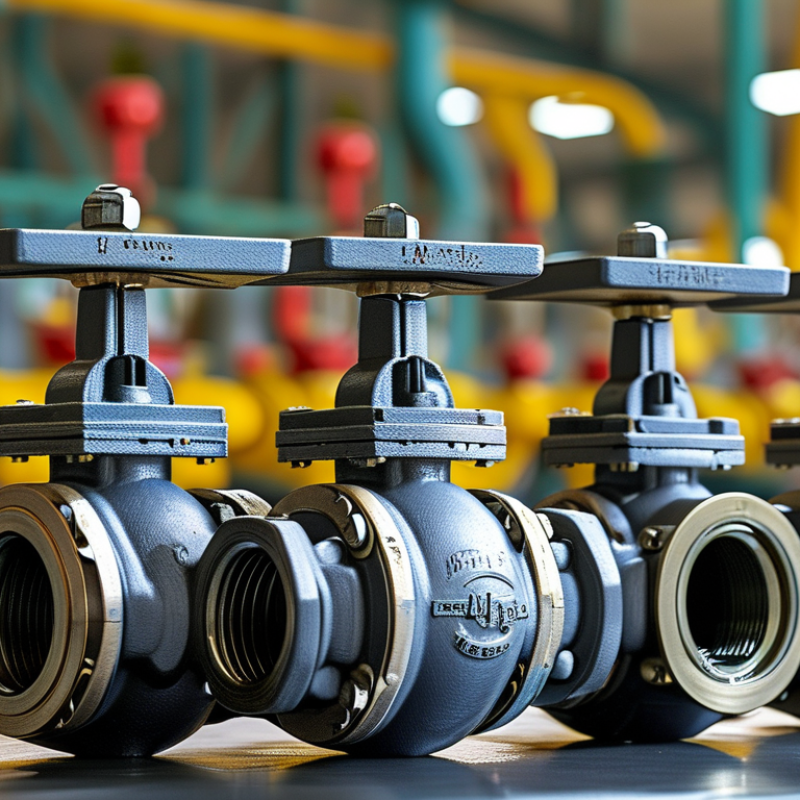
When considering top industrial ball valve types, it's essential to understand their unique applications and benefits. These valves are widely used due to their reliability and efficiency. A recent industry report indicated that the global ball valve market size is expected to reach $20 billion by 2025, reflecting a growing recognition of their importance in various sectors.
One prevalent type is the floating ball valve. This design allows the ball to float, providing a tight seal. They are ideal for low-pressure applications and can handle various fluids. In contrast, trunnion ball valves are better suited for high-pressure scenarios. They feature a fixed ball, reducing friction during operation. Understanding the operational demands helps in selecting the appropriate valve type.
Tip: Always assess the fluid characteristics, such as viscosity and temperature. These factors influence valve performance.
Another critical consideration is material selection. Stainless steel and PVC are common materials used for manufacturing ball valves, but the choice depends on the application conditions. The right material can diminish the risk of corrosion and prolong valve life. Yet, some users overlook these details, leading to premature failures.
Tip: Regularly inspect and maintain your ball valves to ensure their long-lasting effectiveness.
: A floating ball valve has a ball that floats, creating a tight seal. It works well in low-pressure applications.
Trunnion ball valves are designed for high-pressure situations. They have a fixed ball, reducing friction during use.
Selecting the right material is crucial for performance. Stainless steel and PVC are popular, but application conditions matter.
Fluid characteristics like viscosity and temperature significantly influence performance. Always consider these factors when choosing a valve.
Regular inspection is vital for the longevity of ball valves. Neglecting maintenance can lead to premature failures.
In water treatment, ball valves efficiently control the flow of chemicals and water. Their reliability minimizes downtime.
Yes, incorrect installation may result in leaks or operational inefficiencies. It's essential to evaluate needs carefully.
Regular maintenance is crucial for ball valves in the oil and gas sector. Neglect can lead to significant failures.
Ball valves enable efficient space utilization in manufacturing processes. Their compact design supports effective process control.
Yes, overlooking maintenance or installation details can lead to costly problems. Careful planning and evaluation are necessary.
This article provides a comprehensive overview of industrial ball valves, highlighting the various types available and their significance in different sectors. The discussion begins with an examination of the different types of industrial ball valves, emphasizing their unique features and applications. Material selection is also crucial, as it impacts the valve's durability and performance under varying conditions.
Key performance metrics, including size, pressure ratings, and flow coefficients, are essential considerations for effective valve operation. The article further explores the diverse applications of industrial ball valves across various industries, showcasing their versatility. Finally, a cost analysis section addresses the need to balance quality and affordability when selecting the right valve for specific projects, ensuring that decision-makers can make informed choices without compromising on performance or safety.

 EHAO
EHAO