The industrial sector increasingly relies on efficient flow control solutions. One such solution is the 3 Way Ball Valve. According to a recent report from the Global Valve Market Insights, the demand for ball valves is expected to grow at a CAGR of 5.4% through 2028. This growth stems from their reliability and versatility in fluid management.
Industry expert John Smith, a respected engineer with over 20 years of experience, emphasizes, “The 3 Way Ball Valve offers unmatched control in complex piping systems.” His insights highlight the essential role these valves play in various applications. From petrochemical production to water treatment, their benefits are vast.
Yet, while their advantages are significant, not all 3 Way Ball Valves are created equal. Quality can vary based on material and design. Poor quality valves can lead to costly leaks and downtime. Therefore, selecting the right valve necessitates careful consideration of both functionality and reliability.
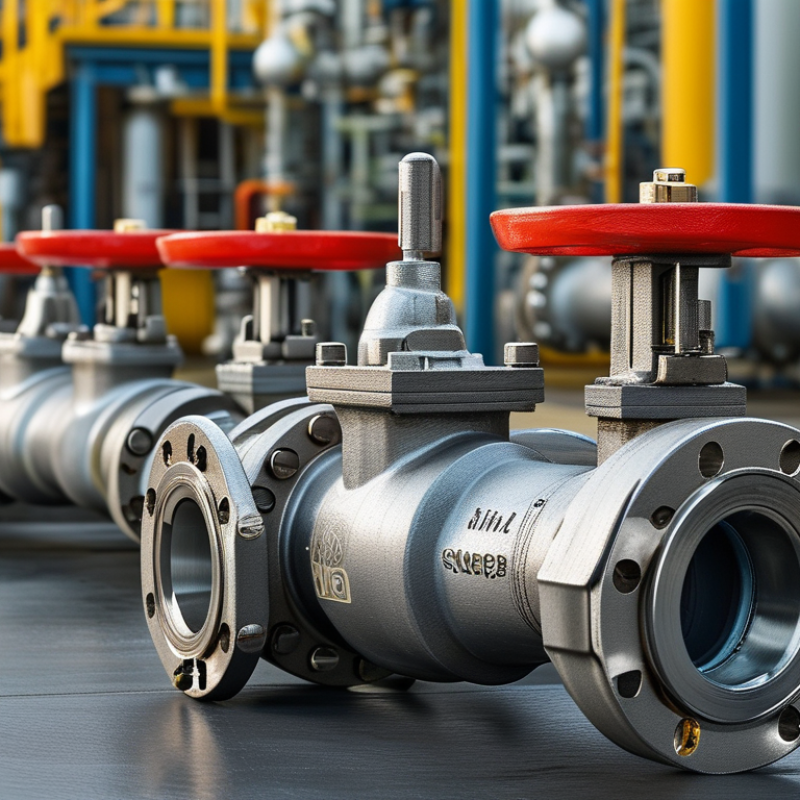
3-way ball valves are essential in industrial applications, offering several advantages. Their design allows for seamless flow control between three different paths. This flexibility is crucial in systems requiring multiple flow directions. Operators can manage processes more efficiently, saving time and resources.
Durability is another key benefit of 3-way ball valves. Made from high-quality materials, they withstand high pressure and temperature. This reliability reduces maintenance needs, contributing to long-term operation. However, installation can be complex. Proper orientation and alignment are necessary to ensure effective performance.
3-way ball valves also provide precise flow regulation. This accuracy helps maintain optimal system conditions. In some cases, users may overlook the need for regular inspections. Neglecting this can lead to performance issues over time. Despite that, the overall benefits make them a favored choice in various industries.
3-way ball valves are essential for enhancing flow control in industrial applications. These valves offer the ability to divert or mix media effectively. This versatility makes them invaluable in various systems, including chemical processing and water treatment.
One key advantage is their compact design, which saves space. They are easier to install than traditional valve systems. Improved sealing capabilities minimize leakage, providing a safer operating environment. This can lead to reduced downtime due to fewer leaks and failures. However, improper installation or maintenance can compromise performance.
The construction of a 3-way ball valve allows for precision in flow direction. Operators can easily adjust settings to meet specific needs. This dynamic functionality encourages more efficient processes. Yet, users must be cautious; not all valves are created equal. Understanding the specifications and limits of each valve is crucial for optimal performance. Training and experience play a vital role in maximizing their effectiveness.
| Benefit | Description |
|---|---|
| Enhanced Flow Control | Provides precise control over the flow of liquids and gases. |
| Versatile Switching | Allows for switching flow direction in piping systems. |
| Compact Design | Space-saving design suitable for various applications. |
| Durable Construction | Made from robust materials, ensuring long-lasting performance. |
| Low Pressure Drop | Minimized pressure loss enhances overall efficiency. |
| Easy Maintenance | Simple design allows for straightforward maintenance and cleaning. |
| Wide Temperature Range | Suitable for a variety of temperatures in different industrial settings. |
| Leak-Free Operation | Design minimizes the risk of leaks, ensuring safety. |
| Cost-Effective Solution | Offers great value in terms of performance and long-term savings. |
| Increased Safety | Reduces risks associated with fluid handling in industrial processes. |
3-way ball valves are key components in many industrial process systems. Their versatility allows for efficient control of fluid flow in multiple directions. This design provides flexibility to redirect flow from one line to another, which can optimize plant operations. In chemical processing, for example, these valves can quickly switch between different feedstocks, enhancing production efficiency.
The simplicity of a 3-way ball valve design offers reliable operation with minimal maintenance. The ability to handle high pressures and temperatures makes them suitable for various applications, such as oil and gas or water treatment. These valves often require less space than complex manifold systems. However, users should be aware that improper sizing can lead to flow issues and system inefficiencies.
While 3-way ball valves are reliable, challenges can arise. Installation errors could compromise their effectiveness. Ensuring proper alignment and sealing is crucial. Additionally, operators must regularly inspect these valves to maintain their performance. Understanding the specific requirements of your process system can help mitigate these potential issues. In adopting 3-way ball valves, one must consider both benefits and limitations to achieve optimal results.
3-way ball valves are essential in industrial processes. Their durability ensures long-term performance, making them a cost-effective choice. According to industry reports, high-quality 3-way ball valves can last over 20 years with proper maintenance. This reliability reduces downtime and enhances operational efficiency.
When selecting a 3-way ball valve, consider the materials. Steel and brass options are known for their strength. They withstand extreme pressure and temperature fluctuations. However, installation errors can shorten valve life. Ensure that installation follows the manufacturer's guidelines carefully.
Tips: Regular maintenance is crucial. Inspect the valve regularly for wear and tear. It’s also wise to conduct routine performance checks. Investing in quality valves pays off in reliability and longevity. An analysis by experts shows that proper maintenance can extend the valve lifespan by up to 30%. Consider these factors to optimize your use of 3-way ball valves.
This chart represents the top 10 benefits of using 3 Way Ball Valves in industrial applications, highlighting their effectiveness in terms of durability, reliability, and other crucial factors.
3-way ball valves are becoming increasingly popular in industrial applications due to their cost efficiency and low maintenance requirements. These valves allow for the control of multiple flow paths, which can greatly reduce the need for additional components. This streamlined approach often leads to lower initial costs and simpler installations. By using a single valve instead of multiple parts, operators can also minimize the chances of leaks and failures, ultimately leading to savings over time.
Maintenance of 3-way ball valves is generally straightforward. Their design minimizes wear and tear, allowing for longer service life. Regular checks typically involve simple visual inspections and occasional lubrication. While some may argue that more complex valves offer greater versatility, many users appreciate the reliability and ease of service that 3-way ball valves provide. However, it is essential to ensure that the chosen valves are suitable for the specific application conditions. Oversizing or undersizing can lead to inefficiencies or increased wear. Finding the right balance is crucial for optimal performance.
: They allow seamless flow control between three paths, enhancing efficiency in processes that require multiple directions.
They withstand high pressure and temperature, reducing maintenance needs and ensuring long-term operation.
Proper orientation and alignment are necessary for effective performance; mistakes can compromise their function.
Neglecting inspections can lead to performance issues over time, affecting system efficiency.
They allow quick switching between different flow lines, optimizing operations in applications like chemical processing.
Steel and brass options are strong and handle extreme conditions, ensuring reliability.
Yes, improper installation can shorten valve life and lead to flow issues.
Regular maintenance, including wear inspections and performance checks, is crucial for extending their lifespan.
Yes, they often require less space than complex manifold systems, simplifying installation in tight areas.
While they offer benefits, understanding specific process requirements can help avoid inefficiencies.
The article highlights the top benefits of 3 Way Ball Valves in various industrial applications. These valves offer enhanced flow control, allowing for efficient management of fluid direction in complex systems. Their versatility enables seamless integration into different process systems, making them ideal for various operations.
Moreover, 3 Way Ball Valves are noted for their durability and reliability, ensuring long-term performance with minimal risk of failure. This makes them a cost-effective choice, significantly reducing maintenance requirements over time. As a result, industries can achieve more efficient processes while keeping operational costs manageable, further solidifying the importance of 3 Way Ball Valves in modern industrial settings.

EHAO