Top 5 Tips for Choosing the Right PE Ball Valve for Your Needs?

Time:2026-08-24 Author:Isabella
0%

Choosing the right PE Ball Valve is crucial for various applications. These valves are widely used in plumbing, irrigation, and industrial systems. Selecting the perfect valve can enhance performance and longevity in any project.

When evaluating options, consider material, size, and pressure rating. PE Ball Valves should meet your specific needs to ensure effective functionality. Not every valve is suitable for all situations. Missteps in selection can lead to leaks or system failures.

Experience is vital in this decision-making process. Consulting with experts can guide you to the best choice. Remember, each application has unique requirements. Take time to evaluate all available options. Balancing quality with cost is essential for long-term success.
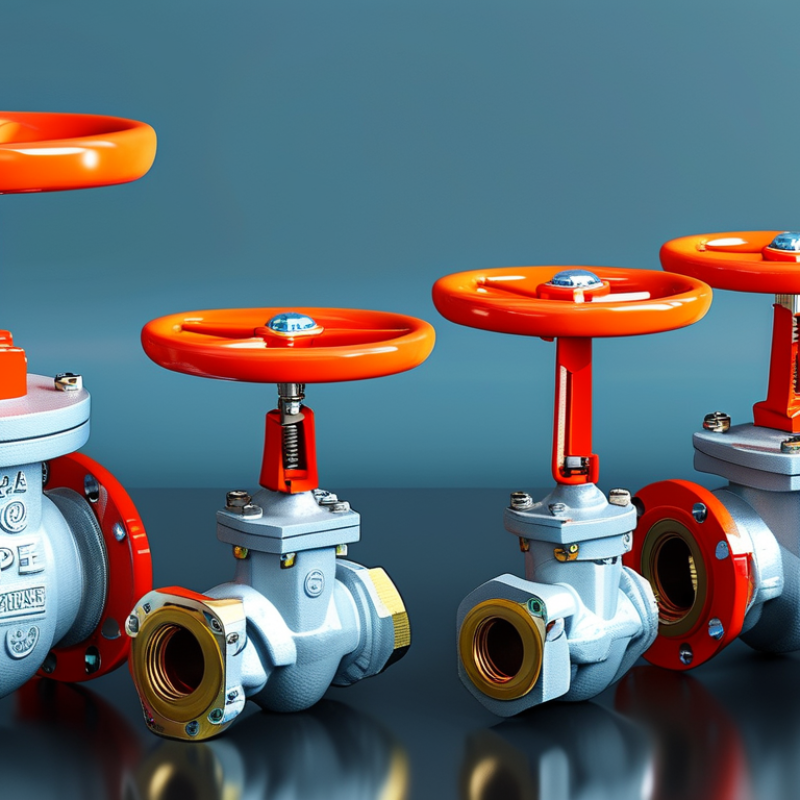
Top 5 Tips for Choosing the Right PE Ball Valve for Your Needs?

Understanding the Functionality of PE Ball Valves

Understanding the functionality of PE ball valves is crucial for selecting the right one for your needs. These valves regulate the flow of fluids through a system. They consist of a sphere, or ball, with a hole in the center. When the ball is rotated, it either allows or blocks flow. This simple mechanism makes PE ball valves popular in various applications.

The material choice plays a significant role in performance and longevity. PE, or polyethylene, offers high resistance to corrosion and chemicals. These characteristics are essential in diverse environments, from agricultural systems to industrial applications. However, users must consider temperature limits. PE materials may not perform well under extreme conditions. This limitation is worth reflecting on for critical applications.

Another aspect to consider is sizing. Correct sizing ensures optimal flow and pressure. An undersized valve may lead to increased pressure drops, while an oversized one can result in reduced efficiency. Therefore, precise measurements and assessments of system requirements are vital. Quality installation also influences functionality. Proper alignment and sealing can prevent leaks, enhancing reliability. Users should not overlook these details.

Assessing Material Compatibility for Your Application

When selecting a PE ball valve, assessing material compatibility is crucial. It affects performance and longevity. Over 70% of valve failures are attributed to material incompatibility, according to industry reports. Therefore, understanding the fluids and environmental conditions is important.

For example, PE valves are often used in chemical processing applications. Here, compatibility with various chemicals is vital. Polyethylene is resistant to many acids and bases but vulnerable to some solvents. As such, testing the specific conditions of your application against material specifications is essential. A mismatch can lead to degradation, leaks, or failure.

In addition, temperature and pressure play significant roles in material choices. PE ball valves may handle pressures up to 150 psi in specific applications. However, high temperatures can change material properties. A study by the American Society of Mechanical Engineers noted that a small temperature increase could reduce the elastic limit of PE by nearly 20%. This highlights the need for thorough evaluation of both environmental and operational parameters.

Evaluating Pressure and Temperature Ratings in Ball Valves

When selecting a PE ball valve, pressure and temperature ratings are critical factors. These ratings determine the valve's maximum operating limits. Each application has specific requirements for pressure and temperature. Knowing these ensures reliability and safety in various environments.

Pressure ratings indicate how much pressure the valve can handle before failing. High-pressure systems require valves designed for intense conditions. Conversely, lower pressure setups can utilize less robust models. Choosing the right pressure rating prevents leaks and catastrophic failures. It’s essential to assess your system's pressure needs carefully.

Temperature ratings also play a significant role. Valves can degrade if exposed to temperatures beyond their limits. When hot fluids or gases flow through, materials may expand or degrade. Ensure that the ball valve can withstand the operating temperature consistently. Failing to consider both ratings can lead to unexpected maintenance issues. An informed choice significantly boosts the durability and functionality of your setup.

Considerations for Size and Connection Types

When selecting the right PE ball valve, understanding size and connection types is paramount. The American Society of Mechanical Engineers (ASME) states that improper sizing can lead to inefficiencies in fluid flow. A valve that is too small may cause excessive pressure drops, while one that is too large could result in noise and vibration.

Consider the specific requirements of your system. Evaluate the pipe sizes and the pressure ratings. According to industry data, 70% of users report performance issues due to incorrect valve sizing. Mismatched connections can also hamper system reliability. Knowing whether your system requires threaded, flanged, or welded connections is critical. Each connection type serves different applications, and using the wrong one can result in leaks or system failures.

When choosing a valve, always match its connection type to your piping. This can prevent costly downtime. Inspect materials for compatibility with the fluids you will use. Always factor in future needs, too, as flexibility can save money long-term. A proactive approach can help avoid common issues and ensure you select a valve that performs optimally in your specific application.

Top 5 Tips for Choosing the Right PE Ball Valve for Your Needs

Identifying Quality Standards and Certifications for Reliability

When selecting a PE ball valve, understanding quality standards is crucial. Reliable certifications ensure that the product meets performance and safety expectations. Key standards to consider include ISO 9001 for quality management and ASTM F1970 for material performance. According to a recent industry report, valves meeting these standards can reduce maintenance issues by up to 30%. This emphasizes the need to prioritize certifications in your selection process.

Prioritize sourcing from manufacturers that hold internationally recognized certifications. These companies often undergo rigorous testing and inspections. The reputation of a manufacturer can significantly impact the longevity and reliability of the valve. Researching a manufacturer's history can reveal valuable insights about their commitment to quality.

Another important aspect is not to overlook the importance of service and support. A reliable manufacturer should be available for inquiries after sale. Documentation like installation guides and warranties speaks to their reliability. Investing time in the selection process can prevent costly mistakes down the line, as poor-quality valves may lead to system failures. Always analyze the performance claims against real-world data.

FAQS

: What is the main function of a PE ball valve?

: A PE ball valve regulates fluid flow by rotating a ball with a central hole to allow or block flow.

Why is material choice important for PE ball valves?

Material choice affects performance and longevity. PE offers corrosion resistance but has temperature limits.

What happens if a PE ball valve is undersized?

An undersized valve can cause increased pressure drops, impacting system efficiency and performance.

How does temperature affect PE ball valves?

High temperatures can reduce the elastic limit of PE, affecting its durability and performance in critical applications.

Why is material compatibility important?

Material compatibility ensures the valve does not degrade or fail when exposed to specific chemicals and environmental conditions.

How can installation affect the performance of a PE ball valve?

Proper alignment and sealing during installation prevent leaks, which enhances the reliability of the valve.

What percentage of valve failures are linked to material incompatibility?

Over 70% of valve failures are attributed to material incompatibility, highlighting its significance in selection.

Can PE ball valves handle high pressures?

Yes, PE ball valves can handle pressures up to 150 psi in certain applications but require careful assessment.

Is it vital to test specific conditions before choosing a valve?

Yes, testing specific conditions against material specifications is essential to avoid failures like degradation or leaks.

What should be reflected upon when selecting a PE ball valve?

Users must consider performance limits, environmental conditions, and alignment details for optimal functionality.

Conclusion

When selecting the right PE Ball Valve for your applications, understanding its functionality is essential. PE Ball Valves are designed to control the flow of fluids, and knowing how they operate can aid in making an informed choice. Additionally, it's crucial to assess material compatibility to ensure the valve withstands the substances it will encounter. Evaluating pressure and temperature ratings is also important, as each application has specific requirements that must be met for optimal performance.

Furthermore, considerations regarding the size and connection types of PE Ball Valves can significantly impact installation and operation. Lastly, identifying quality standards and certifications is vital to guarantee reliability and durability in various environments. By following these guidelines, you can effectively choose the right PE Ball Valve that meets your specific needs.


Isabella

Isabella

Isabella is a dedicated marketing professional with a sharp focus on driving brand growth and engagement through strategic content creation. With an extensive background in digital marketing, she combines her passion for storytelling with her keen understanding of industry trends to deliver......