When considering global imports, the choice of a PVC Ball Valve is crucial. These valves are widely used in various industries due to their durability and resistance to corrosion. Understanding the features and specifications of PVC Ball Valves can seem overwhelming.
It's essential to focus on the quality and reliability of the products you are purchasing. Not all PVC Ball Valves are created equal. Some suppliers may offer lower prices but compromise on quality. Researching suppliers and their product offerings will save time and money.
Think about your specific needs before making a decision. Will the valve be used for high pressure or low flow applications? This consideration will guide your purchasing choices. Reflect on your past experiences with valve suppliers. Sometimes, a lower price can lead to quality issues later. Make informed decisions for better outcomes.
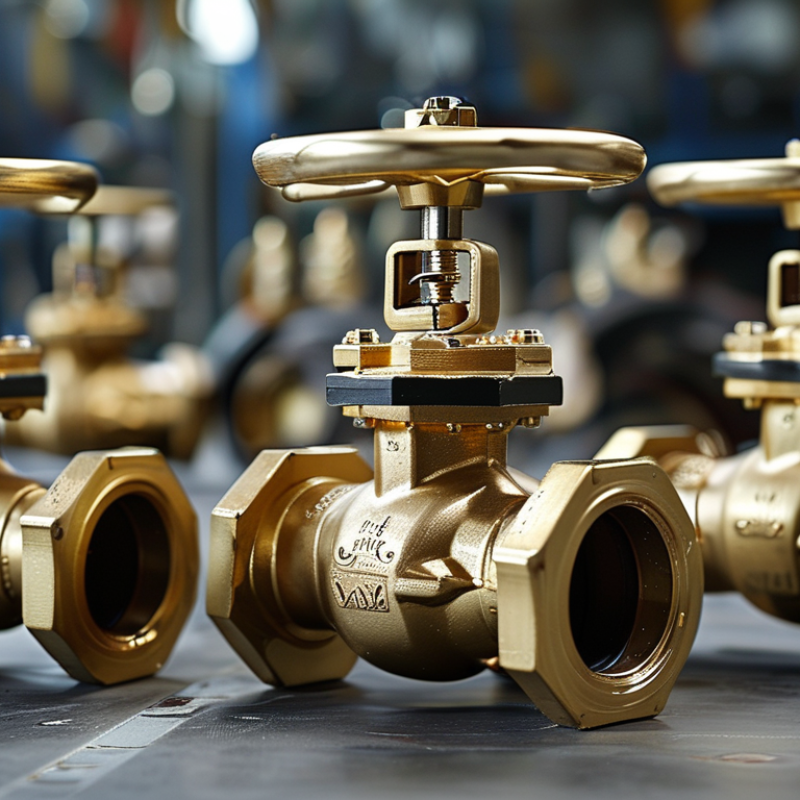
Understanding PVC ball valves involves familiarizing oneself with key definitions and terms. PVC, or polyvinyl chloride, is a widely used thermoplastic known for its durability and chemical resistance. Ball valves, on the other hand, are devices with a spherical closure element that provides a quick, reliable shut-off in piping systems. According to a recent market analysis, the global PVC ball valve market is projected to grow at a CAGR of 4.5% over the next five years, indicating strong demand among various industries.
The ease of installation and operation contributes to the popularity of PVC ball valves. They come in various sizes and specifications. For instance, common terms include the valve body, actuator, and trim. The body typically dictates pressure ratings and compatibility with different fluids. Notably, the valve's size is usually expressed in millimeters and relates directly to the piping system’s diameter. Furthermore, temperature ratings play a significant role in selecting the right product. Data shows that improper temperature handling can lead to premature valve failure, which emphasizes the importance of accurate installation.
Overall, understanding these elements can lead to better decision-making. However, industry reports indicate that a significant percentage of importers still struggle with selecting the right specifications. This highlights a knowledge gap that needs addressing. Ensuring alignment with industry standards and operational requirements is essential for long-term reliability. Familiarity with these terms can prevent costly mistakes and improve overall efficiency in fluid control systems.
: Focus on quality assurance, specifications, installation ease, and material quality. Research thoroughly before making a decision.
Look for international certifications like ISO 9001 and ASTM F1970. These indicate reliability and rigorous testing.
A reputable manufacturer is likely to produce durable products. Reviews and feedback from other importers can provide valuable insights.
Assess size and pressure ratings carefully. Incorrect specifications can lead to serious performance issues.
Manufacturing processes vary, impacting prices. Consider bulk purchasing and shipping expenses to get a clear budget.
Cheaper valves might fail sooner, leading to greater long-term expenses. Assessing durability alongside cost is essential.
Not necessarily. Always question the validity of certifications. Conduct thorough research to ensure quality and reliability.
Seasonal demand changes can affect costs. Staying informed on industry trends helps in making competitive purchasing decisions.
Yes, easy installation saves time and resources. It can be a deciding factor in your purchasing decision.
Consider the overall value and maintenance costs. Research can prevent costly mistakes in the future.
When considering the purchase of PVC Ball Valves, importers should first understand the essential definitions and terminology associated with these products. This foundational knowledge aids in recognizing the key attributes that distinguish quality PVC Ball Valves from inferior alternatives. It is critical to establish clear criteria for selection, focusing on aspects such as material quality, durability, and compatibility with intended applications.
Additionally, evaluating potential manufacturers and suppliers is crucial for successful importing. Importers should look for credible partners who adhere to common certifications and standards, ensuring that the PVC Ball Valves meet international safety and performance benchmarks. Understanding cost factors and pricing strategies will also empower importers to make informed purchasing decisions that balance quality with budget considerations. By following these guidelines, global importers can navigate the complexities of buying PVC Ball Valves effectively.

 EHAO
EHAO