What Is a PVC Ball Check Valve and How Does It Work?

Time:2026-11-11 Author:Henry
0%

A Ball Check Valve Pvc is designed to stop reverse flow with a simple moving part: a ball. When fluid moves forward, pressure lifts the ball from its seat. When flow slows or reverses, gravity and backpressure return it to the seat. The result is a compact check valve with no hinged flap. You may hear the ball move. That detail can matter in a quiet pump room.

PVC’s performance depends on the material grade, pressure rating, temperature, and fluid compatibility—not just the valve’s nominal size. ASTM D1784 classifies rigid PVC compounds, while ASTM D1785 covers PVC pressure pipe; neither standard alone confirms a valve’s suitability for every service. The Plastics Pipe Institute’s engineering guidance and the manufacturer’s pressure-temperature charts provide useful context. Check those documents against actual operating conditions. A small mismatch can shorten service life.

One source limitation matters: no articles or verifiable expert quotation were supplied. I will not invent an industry expert’s name, quotation, or report statistic. That restraint is part of reliable technical guidance. Before choosing a valve, compare its published pressure limits, connection type, seat design, and installation orientation with the system requirements. The ball is simple. The selection is not.
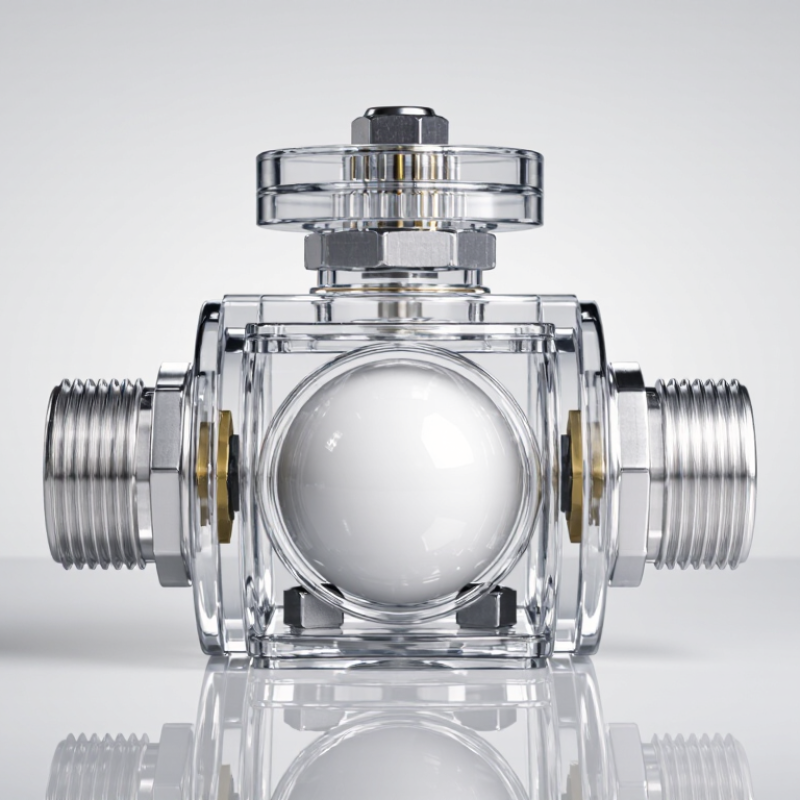
What Is a PVC Ball Check Valve and How Does It Work?

Definition and Basic Design of a PVC Ball Check Valve

A PVC ball check valve is a one-way valve with a movable ball inside a PVC body. It allows liquid to travel in the intended direction and helps limit backflow. Its basic parts are the housing, ball, and shaped sealing seat. Pipe connections join the valve to the line, while the seat provides a surface for the ball to close against. Simple design.

During forward flow, pressure pushes the ball away from the seat, leaving space for liquid to pass. If flow reverses, reverse pressure moves the ball back against the seat. This contact helps block the returning liquid. Some designs rely on gravity as well, so installation position can affect operation. The exact behavior depends on the valve’s construction and the system’s flow and pressure. PVC also has temperature, pressure, and chemical-compatibility limits; check the product specifications for the intended service.

Tips: Confirm the flow-direction arrow before installation. Keep the pipe free of debris that could prevent the ball from seating. A small leak may indicate residue or wear, but checking the valve’s orientation and operating conditions is sensible too. I would not assume every ball check valve behaves identically.

Main Components and Their Functions

A PVC ball check valve uses a lightweight ball to allow flow in one direction and resist reverse flow. Its PVC body contains the flow passage and connects to the pipe through threaded, socket, or union ends. Inside, a seat provides the sealing surface. The ball rests against it when flow stops or reverses. Some models have a removable union connection, making inspection easier without cutting the pipe. The exact layout varies.

Forward pressure lifts the ball away from the seat, letting liquid pass through the valve. When flow weakens, gravity or reverse pressure moves the ball back toward the seat. That movement matters. During installation, check the flow arrow, permitted position, pressure rating, and fluid compatibility. A valve suitable for cool water may not suit hot or chemically aggressive service. Real systems are less tidy than diagrams: trapped grit or a worn seat can cause slow leakage, even when the ball appears to move freely. Inspect the valve under operating conditions; a quick bench check can miss that detail.

What Is a PVC Ball Check Valve and How Does It Work?

A ball check valve allows forward flow when the pressure difference moves the ball away from its seat. When flow reverses, the ball returns to the seat to help prevent backflow. Actual operation depends on the valve design and pressure conditions.

Illustrative operating states only, not measured performance data. Forward flow opens the valve when the pressure difference is sufficient; reverse flow moves the ball toward the seat.

Main Components and Their Functions

  • PVC body: Houses the internal parts and forms the flow passage.
  • Ball: Moves with the flow to open the passage or block reverse flow.
  • Seat: Provides the surface the ball contacts to help create a seal.
  • End connections: Connect the valve to the piping system.

How the Valve Opens and Closes

A PVC ball check valve allows liquid to move in one direction while limiting reverse flow. Inside its body, a ball rests against a seat when the system is still. When fluid pressure arrives from the inlet, it pushes the ball away from the seat and lifts it into the chamber. The opening around the ball lets water pass through. The ball moves freely. In some designs, gravity helps it return; orientation and internal geometry can affect how reliably it settles.

When forward pressure drops or flow tries to reverse, the ball travels back toward the seat. Reverse pressure presses it against the sealing surface, restricting backflow. The seal depends on a clean seat, a correctly sized ball, and pressure within the valve’s rating. Not foolproof. Sand, scale, or sticky residue can keep the ball from seating fully, allowing a small reverse leak. Check the flow arrow, installation position, and pressure limits before fitting one. A check valve is not a manual shutoff; its closing action can be slower or noisier than expected in some pipe layouts.

Common Applications and Installation Considerations

What Is a PVC Ball Check Valve and How Does It Work?

Common Applications and Installation Considerations

A PVC ball check valve allows fluid to move in one direction and helps limit reverse flow. Inside, a movable ball lifts from its seat when forward pressure is sufficient. When flow stops or reverses, the ball returns to the seat. Simple in principle, but the valve still needs suitable operating conditions.

These valves may be used in irrigation lines, pool circulation systems, drainage, and some water-treatment piping. Suitability depends on fluid chemistry, temperature, pressure, and the valve’s rated service conditions. Before installation, check the flow arrow and the manufacturer’s orientation requirements. Some designs work in horizontal or vertical lines; others need a specific position. Small details matter.

Support the pipe so its weight does not strain the valve, and avoid forcing misaligned fittings together. Solvent cement needs clean, properly prepared surfaces and adequate curing time before pressurizing the line. A union nearby can make inspection easier if debris or scale prevents the ball from seating. In practice, installation drawings can look simpler than the piping itself. Allow room for maintenance, and consider whether rapid flow changes could cause water hammer.

Benefits and Limitations of PVC Ball Check Valves

A PVC ball check valve allows fluid to travel in one direction and helps prevent reverse flow. Inside, a loose ball lifts from its seat when inlet pressure pushes fluid forward. When flow slows or reverses, the ball returns to the seat and blocks the passage. It is a simple mechanism. Installation position and operating pressure can affect how reliably the ball moves.

Benefits include low weight, corrosion resistance in compatible fluids, and relatively straightforward maintenance. The smooth internal path can also reduce places where debris collects. But PVC has limits. High temperatures or pressure can weaken the body, and some chemicals may damage it. A ball check valve is not a shutoff valve, either. It may also allow a small amount of backflow if debris prevents a tight seal. In practice, the overlooked detail is often fluid compatibility, not the valve’s size.

Tips: Check the manufacturer’s pressure, temperature, and chemical-compatibility data before installation. Match the valve’s orientation to its instructions, and inspect the seat if leakage appears. A little caution helps.

FAQS

What is a PVC ball check valve?

It is a one-way valve with a movable ball inside a PVC body. Simple design.

How does the valve allow liquid to flow?

Forward pressure lifts the ball from its seat. Liquid passes through the opening.

What happens when flow reverses?

Reverse pressure moves the ball toward the seat. The seal helps limit returning liquid.

Does installation position affect operation?

It can. Some valves rely partly on gravity, so check the permitted position and flow-direction arrow.

What parts make up the valve?

The main parts are the PVC housing, ball, and shaped seat. Pipe ends may be threaded, socket, or union style.

Why might a valve leak slowly?

Grit on the seat or wear may stop the ball sealing fully. Check orientation and operating conditions too.

What should I check before using one?

Confirm pressure limits, temperature range, and fluid compatibility in the specifications. Cool water service does not prove suitability for other fluids.

Is a quick bench check enough to confirm performance?

Not always. A valve may behave differently in a working pipe, especially with trapped debris or changing flow. I might be oversimplifying, but inspection under operating conditions seems wiser.

Conclusion

A PVC ball check valve is a one-way valve designed to let fluid flow in one direction while helping prevent backflow. Its basic design typically includes a PVC body, a movable ball, a seat, and connection ends. The ball moves inside the valve chamber in response to changes in fluid pressure, while the body guides the flow and supports the internal parts. Together, these components allow the valve to operate automatically without a manual handle.

When forward pressure is sufficient, it lifts the ball away from the seat and opens the flow path. If flow slows or reverses, the ball returns to the seat and helps close the passage. Ball Check Valve Pvc designs are commonly used in compatible water and fluid systems, but installation should follow the flow-direction markings and allow appropriate access for inspection. Their corrosion resistance, light weight, and simple operation are useful benefits. However, PVC valves have limits in pressure, temperature, and fluid compatibility, so the valve should be selected to suit the system’s operating conditions.


Henry

Henry

Henry is a dedicated marketing professional with a profound expertise in the company's offerings. With years of experience in the industry, he possesses an impressive understanding of the market dynamics and consumer behaviors that drive success. Henry is committed to sharing his insights through......