Choosing the right 6 Inch Pvc Ball Valve requires more than matching a pipe diameter. A six-inch valve must suit the fluid, pressure, temperature, and operating frequency. In water treatment, a smooth bore can reduce turbulence and simplify cleaning. In chemical service, compatibility matters more than a low purchase price. Failures happen.
Start by confirming the actual outside diameter and connection standard. A valve labeled six inches may use different socket, flanged, or threaded configurations. Check the pipe schedule, gasket material, bolt pattern, and available installation space. The body and seat must resist the intended medium without swelling, cracking, or losing a seal. PVC performs well in many corrosive environments, but heat and impact can change its limits. Read the manufacturer’s pressure-temperature chart, not only the catalog headline. Details matter. An oversized actuator may strain supports, while an undersized actuator may stall during operation. Manual handles suit occasional isolation, while automated systems require verified torque and fail-safe requirements.
Reliable selection also depends on traceable testing and clear technical documentation. Look for pressure-test records, material information, warranty terms, and relevant quality certifications. Ask whether the supplier can provide replacement seats and operating guidance. A competent distributor should explain limitations plainly. That answer is revealing. Misaligned piping, excessive solvent cement, or unsupported weight can damage even a well-made valve. I may not know your exact fluid or site conditions, so this guide cannot replace engineering review. Still, a disciplined comparison can prevent leaks, downtime, and unsafe improvisation. The best 6 Inch Pvc Ball Valve is not simply the cheapest option. It is the valve whose materials, connections, rating, and service plan match the real system.
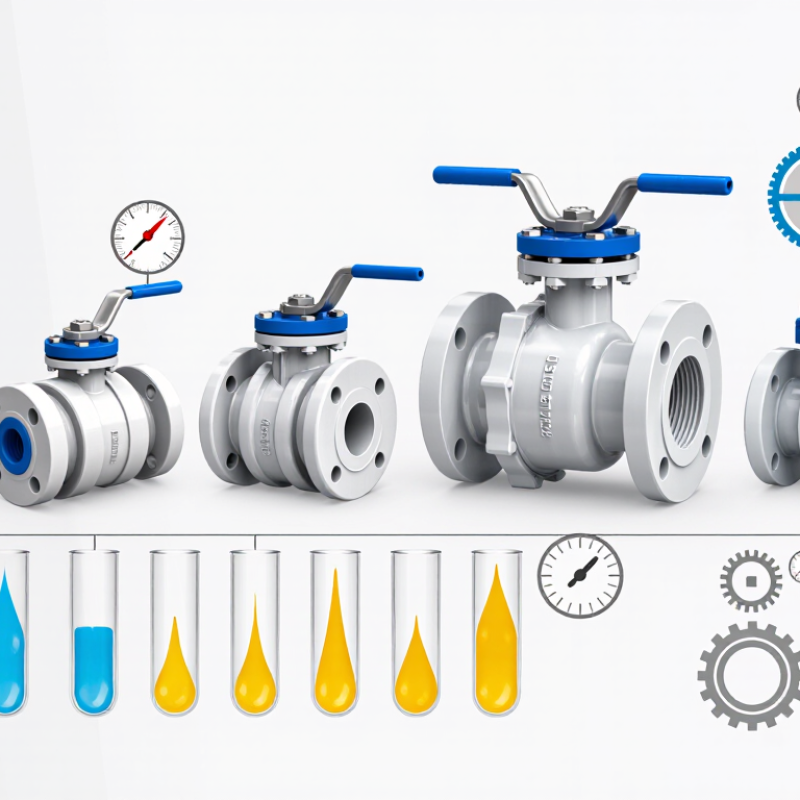
How to Choose the Right 6 Inch PVC Ball Valve?
A 6-inch PVC ball valve controls flow with a rotating sphere and a drilled passage. Its simple design supports quick shutoff and low resistance.
Full-port valves match the pipe opening closely. They suit water transfer, filtration, and systems where pressure loss matters. Reduced-port valves cost less and may fit less demanding lines.
True-union types allow removal from either side. That detail saves time during repairs.
Application conditions determine the valve type. Irrigation systems often need reliable shutoff and moderate pressure handling.
Water treatment lines may require chemical-resistant PVC and clean internal surfaces. Pool equipment benefits from smooth operation and clear flow direction.
For aggressive fluids, check compatibility charts carefully. PVC is not suitable for every chemical or temperature. Temperature changes can lower the working pressure.
I inspect the pipe size, connection method, pressure rating, and actuator space before selection.
Solvent-weld ends create compact installations, while threaded or flanged connections simplify replacement. A handle may work for occasional use, but an actuator suits remote or frequent control.
Check industry standards and technical documents, not only product photographs. I have seen oversized valves installed where a smaller passage was enough. That choice added expense without improving performance.
Valve alignment also deserves attention. Stress from poorly supported pipe can damage connections over time.
No valve is maintenance-free.
How to Choose the Right 6 Inch PVC Ball Valve?
A 6 inch valve must match the pipe’s actual outside diameter, not only its label. NPS 6 PVC commonly measures 6.625 inches outside diameter. DN150 systems may use different metric dimensions. This difference can stop installation immediately. Check the pipe standard, wall thickness, and valve port size before ordering. ASTM D1785 data tables rate 6 inch Schedule 40 PVC pipe at approximately 180 psi at 73°F. Schedule 80 reaches about 320 psi. These figures describe pipe, not automatically the valve.
Pressure rating needs careful review. A valve rated for 150 psi may lose capacity at higher temperatures. Chemical exposure can also reduce service life. Match the valve rating with operating pressure, surge pressure, temperature, and fluid chemistry. For connections, solvent-socket ends suit compatible PVC piping. Threaded ends require matching thread forms and careful sealing. Flanged valves must follow the correct drilling pattern. ASME B16.5 flange dimensions do not replace the manufacturer’s PVC connection data. ISO 1452 may apply where metric PVC-U water systems are specified.
Tips: Measure twice. Confirm the real bore. Ask for pressure-temperature curves and test certificates. Do not assume every “6 inch” connection fits. I have seen projects pass the size check, then fail at the flange pattern. Close is not enough. Leave room for actuator movement and future maintenance. My own selection process still includes one uncomfortable question: will the valve survive the worst pressure spike, not merely normal flow?
For a 6-inch PVC ball valve, material selection should match the fluid, temperature, and pressure conditions. PVC-U suits many ambient-temperature water and drainage applications. CPVC may handle higher temperatures, but its limits still require verification. Do not choose by pipe size alone. Check pressure ratings at the actual operating temperature, because heat can reduce plastic strength.
Chemical compatibility also matters. Acids, salts, oils, and cleaning solutions may affect PVC differently. Review a current compatibility chart and confirm it with the valve manufacturer’s technical data. A small mismatch can cause swelling, cracking, or early leakage. I have seen installations fail because the fluid was checked, but the gasket material was ignored.
Ball design changes flow and maintenance. A full-port ball keeps the passage close to the pipe’s inside diameter, reducing turbulence and pressure loss. A reduced-port design can cost less, but it may restrict flow. For frequent cycling, choose a smooth, properly supported ball and inspect the stem seal design. A floating ball is common and simple, while a trunnion-supported design can reduce operating torque in larger or higher-pressure systems. Dry testing is not enough. Cycle the valve under realistic conditions when possible, and leave room for actuator access. Even experienced installers sometimes underestimate that clearance.
How to Choose the Right 6 Inch PVC Ball Valve?
Temperature affects both pressure performance and service life. Check the valve’s rated temperature range before installation. PVC may soften when exposed to sustained heat. Pressure capacity can also decline as temperature rises. For hot water, process fluids, or outdoor systems, use actual operating temperatures rather than average readings. Ask whether the rating covers continuous service, not only brief exposure. That difference matters.
Chemical compatibility requires more than matching the pipe material. Review the fluid concentration, temperature, and contact time. Some acids, solvents, oils, and cleaning agents can attack PVC or sealing components. Check a current compatibility chart, then confirm uncertain fluids with technical documentation. Do not rely on color, smell, or past experience alone. A practical site review should include nearby chemicals and accidental splash risks. Small oversights become expensive leaks.
Durability depends on pressure cycles, sunlight, vibration, and installation quality. Inspect the valve body for stress, and avoid forcing misaligned pipes into position. Support the six-inch assembly properly. Repeated hard closing may damage internal parts over time. Choose seals suited to the medium and temperature. I would also record the installation date and operating conditions. Records make later failures easier to understand. Some assumptions will still be wrong. Recheck them when the process changes.
Choosing a 6-inch PVC ball valve requires more than matching pipe diameter. Installation conditions often determine service life. Measure the actual outside diameter, confirm pressure ratings, and check chemical compatibility before ordering. A valve may fit physically but fail under temperature or corrosive exposure.
Keep the pipeline properly supported. Misalignment can place constant stress on the valve body and joints. During solvent cementing, clean surfaces carefully and allow the manufacturer’s curing time. Do not force the handle. A stiff handle may indicate contamination, excessive pressure, or incorrect assembly. I would not rely on appearance alone. Field experience shows that small installation shortcuts become expensive maintenance problems.
Maintenance planning should include quarterly visual inspections, handle operation checks, and leak monitoring around unions. Record operating pressure and fluid temperature. These details help identify gradual deterioration. Manufacturer quality also matters. Request batch traceability, pressure-test records, material specifications, and clear temperature limits. ISO 16135 addresses thermoplastic industrial valves, while ASTM F1970 covers engineered PVC and CPVC valves and fittings. For potable-water systems, NSF/ANSI/CAN 61 certification may be necessary.
Infrastructure reliability deserves attention. The U.S. EPA’s 2023 Drinking Water Infrastructure Needs Survey estimates $625 billion in drinking-water investment needs over 20 years. ASCE’s 2021 Infrastructure Report Card rated drinking water infrastructure C−. Those figures suggest that replaceable, documented components matter. A low purchase price can look attractive, but uncertain testing records create risk. Sometimes, the better decision is the less obvious one.
It controls liquid flow with a rotating ball and drilled passage.
Choose full-port construction when the passage should closely match the pipe opening.
A true-union valve can be removed from either side.
Check the actual operating temperature, not only the daily average.
Review compatibility information for the fluid, concentration, temperature, and contact time.
Solvent-weld ends create compact installations.
A handle suits occasional manual use.
Support the six-inch assembly and keep connected pipes aligned.
Request material details, pressure-test records, batch traceability, and clear temperature limits.
Choosing the right 6 Inch Pvc Ball Valve begins with understanding the system’s purpose and operating conditions. Consider whether a full-port, reduced-port, manual, or actuated design best suits the application, then match the valve size, pressure rating, and connection standard with the existing piping system. Proper alignment helps prevent leaks, flow restrictions, and installation difficulties.
Material selection is equally important. Evaluate the PVC type, ball design, seal materials, temperature range, and chemical compatibility before making a decision. The valve should also provide sufficient durability for the expected pressure, frequency of use, and environmental conditions. Finally, review installation requirements, maintenance access, replacement parts, technical support, and overall manufacturer quality. A reliable 6 Inch Pvc Ball Valve should combine suitable performance, simple servicing, secure connections, and long-term resistance to wear and corrosion. Comparing these factors carefully will help ensure safe, efficient, and cost-effective operation.

EHAO