2026 How to Choose the Right Plastic Ball Valve for Your Needs?

Time:2026-07-03 Author:Madeline
0%

When selecting a Plastic Ball Valve, a precise understanding of your project needs is essential. These valves come in various materials, sizes, and pressure ratings. It's crucial to consider the fluid type, temperature, and pressure conditions. Choosing the wrong valve can lead to leaks and failures.

Plastic Ball Valves are popular due to their lightweight and corrosion-resistant properties. However, not all plastic valves are created equal. Some are better suited for specific applications than others. It may require trial and error to identify the best option for your system.

Evaluating the manufacturer’s reputation adds another layer of confidence. Consulting with industry experts can lead to better decisions. Relying on their experience and insights is invaluable. Choosing the right Plastic Ball Valve may seem simple, but it demands careful thought and consideration.
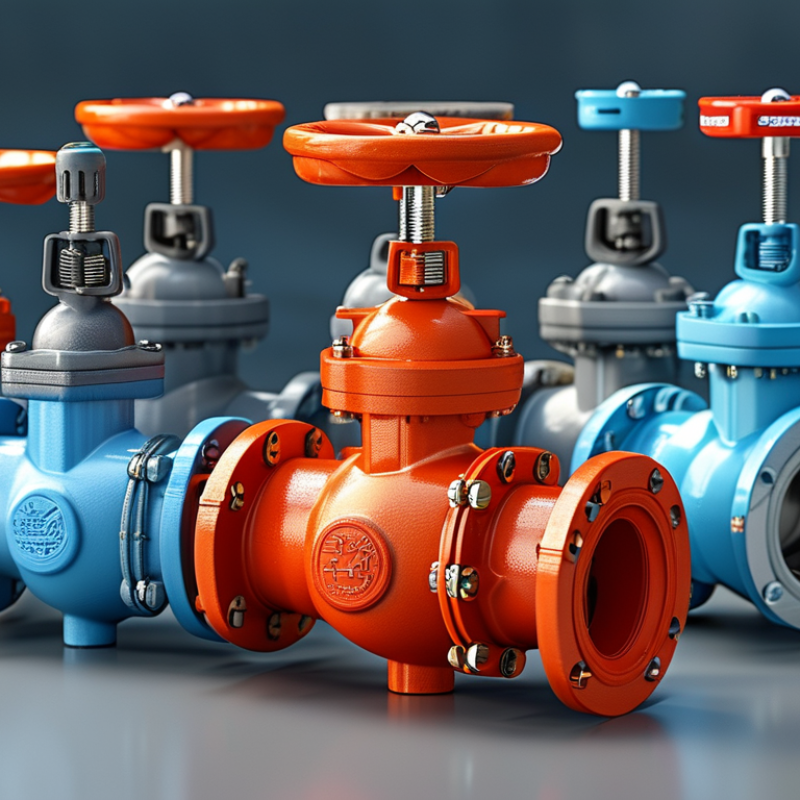
2026 How to Choose the Right Plastic Ball Valve for Your Needs?

Understanding Plastic Ball Valves: Types and Functions

Plastic ball valves serve various functions across multiple industries. They are lightweight and resistant to corrosion. This makes them ideal for handling aggressive chemicals. Understanding the types is essential when choosing the right valve for your application.

There are primarily two types of plastic ball valves: standard and reduced port. Standard ball valves offer higher flow rates. Reduced port valves, on the other hand, provide a more compact design. This may be beneficial in tight spaces. However, reduced flow can lead to pressure drop issues, which some applications cannot afford.

Choosing a plastic ball valve also requires understanding materials. Common materials include PVC, CPVC, and PTFE. Each material has unique characteristics. For example, PVC is cost-effective but may not withstand high temperatures. If your project involves extreme conditions, you may need to consider alternatives. Balancing these factors ensures you select a valve that meets your specific operational requirements.

Key Factors to Consider When Choosing a Plastic Ball Valve

Choosing the right plastic ball valve involves several key factors that impact performance and longevity. Material selection is paramount. Common choices include PVC, CPVC, and PVDF. Each material has distinct characteristics suited for various applications. For instance, PVDF is chemically resistant, making it ideal for harsh environments. Market data indicates that the demand for PVDF valves has surged by approximately 25% in the past two years due to increased industrial applications.

Another crucial consideration is pressure and temperature ratings. Many plastic ball valves operate within certain limits. Exceeding these can lead to failures. Always check the specifications provided by manufacturers. According to industry reports, improper valve selections have caused up to 30% of maintenance issues in processing plants. This statistic emphasizes the importance of careful evaluation.

Fluid compatibility should also drive your choice. Certain chemicals can degrade materials over time. Knowing the media flowing through the valve is vital. In fact, 40% of valve-related failures are linked to chemical incompatibility. Accurate assessment can mitigate risks. When selecting a valve, assessing your specific needs is essential. The right choice can enhance operational efficiency and reduce the likelihood of costly repairs.

Material Compatibility: Choosing the Right Plastic for Your Application

Choosing the right plastic for your ball valve application is vital. Material compatibility directly affects the valve's lifespan and performance. For instance, using polyvinyl chloride (PVC) in corrosive environments may lead to failures. A 2021 report from the Plastics Industry Association highlighted that nearly 30% of valve failures are due to inappropriate material selection.

Polypropylene (PP) is a common alternative for chemical resistance. It withstands a wide range of acids and bases. However, it may not perform well under high temperatures. Engineering data indicates that PP starts losing its structural integrity near 80°C.

Ethylene tetrafluoroethylene (ETFE) is an option for extreme conditions. Yet, it has a higher upfront cost.

Consider the fluid being transported as well. Many overlook the impact of temperature fluctuations. This can lead to expansion and contraction, potentially causing leaks. Various studies cite that temperature changes can alter materials’ dimensional stability by up to 15%. Evaluating these factors carefully is crucial for selecting a reliable valve over time.

Sizing and Pressure Ratings: Ensuring Proper Valve Specifications

When selecting a plastic ball valve, understanding sizing and pressure ratings is crucial. The size of the valve affects the flow rate and overall system efficiency. A standard guideline is to match the valve size to the pipe diameter to maintain optimal flow. For example, a valve sized 1 inch usually pairs with a pipe of the same diameter. However, improper sizing can lead to turbulence and inefficient operation.

Pressure ratings also play a significant role in valve selection. Different materials offer varying pressure capabilities. According to industry reports, PVC valves typically handle pressures up to 150 psi, while CPVC valves can withstand up to 200 psi. Meanwhile, PET and other advanced polymers may provide even higher ratings. It’s essential to evaluate the specific requirements of your application. Ensure the valve is rated for the maximum pressure expected in your system.

Tip: Always consult the technical specifications provided by manufacturers to avoid mismatched pressure ratings. This could save costs in the long run.

In many cases, valve failures stem from overlooked pressure ratings. Actual system pressures can vary. Regular monitoring of these pressures ensures reliability and safety. Don’t hesitate to revisit your valve choice over time. Changes in system dynamics could necessitate a re-evaluation of the size or pressure rating.

Installation and Maintenance Tips for Longevity and Performance

Installing a plastic ball valve correctly is crucial for optimal performance. Start by ensuring the connections are clean and free of debris. Use proper tools to tighten fittings. Over-tightening can lead to cracks. Always align the valve properly to avoid stress on the components. Check the operating temperature and pressure limits; exceeding them can cause inefficiencies.

Maintenance is just as important. Regularly inspect the valve for leaks or signs of wear. A small crack can lead to major failures. Lubricate moving parts as needed, but avoid overdoing it. Too much lubricant can attract dirt, which can impede function. Clean the exterior of the valve periodically to prevent buildup. Document any issues; this helps track performance over time.

It is essential to reassess your installation periodically. Sometimes, adjustments are necessary based on system changes. Remember, a well-maintained valve can last much longer. However, even the best products may require replacement eventually. This proactive mindset can save you from unexpected downtime. Be prepared to change your approach as conditions evolve.

FAQS

: What materials are commonly used for plastic ball valves?

: Common materials include PVC, CPVC, and PVDF. Each material has unique properties for different uses.

Why is material selection important for ball valves?

Material selection affects longevity and performance. Using the wrong material can lead to failures.

What happens if pressure and temperature limits are exceeded?

Exceeding limits can cause valve failures. Always verify specifications from manufacturers.

What percentage of maintenance issues are due to improper valve selections?

About 30% of maintenance issues in plants arise from improper valve selections.

How does fluid compatibility affect plastic ball valves?

Chemical incompatibility can degrade materials. This is responsible for 40% of valve-related failures.

What should be considered in relation to temperature when choosing a valve?

Temperature fluctuations can cause leaks. Expansion and contraction impact the valve's reliability.

What is a common problem with using PVC in specific environments?

PVC can fail in corrosive environments. It's essential to choose materials suited for the conditions.

Can polypropylene handle high temperatures?

No, polypropylene loses integrity near 80°C, especially in high-temperature applications.

Why might ETFE be chosen despite its cost?

ETFE is ideal for extreme conditions due to its superior chemical resistance.

How can failing to evaluate factors affect valve selection?

Neglecting evaluations can lead to costly repairs. It’s important for long-term operational efficiency.

Conclusion

In the article "2026 How to Choose the Right Plastic Ball Valve for Your Needs?", key aspects of selecting the ideal Plastic Ball Valve are explored. Understanding the different types and functions of plastic ball valves is crucial, as these valves play a significant role in fluid control across various applications. The article emphasizes the need to consider material compatibility, ensuring that the chosen plastic can withstand the specific chemicals and environmental conditions it will encounter.

Additionally, it highlights the importance of sizing and pressure ratings to maintain proper valve specifications. By ensuring that the plastic ball valve aligns with these criteria, users can enhance efficiency, safety, and durability. Installation and maintenance tips are provided to ensure the longevity and optimal performance of the valve, making the right choice critical for achieving the desired operational outcomes.


Madeline

Madeline

Madeline is a dedicated marketing professional with a wealth of expertise in our company's core offerings. With a keen understanding of the industry, she brings a unique perspective to her role, consistently delivering high-quality content that highlights the superior aspects of our products. As......