When it comes to industrial applications, the choice of valves is crucial. Among various types, the Ball Valve stands out for its reliability and efficiency. According to a report by MarketsandMarkets, the global ball valve market is projected to reach $17.9 billion by 2026, growing at a CAGR of 6.5%. This growth reflects the increasing demand across multiple industries, including oil and gas, water and wastewater, and chemicals.
Ball Valves are known for their simple design and effective sealing capabilities. Their quarter-turn operation allows for easy on-off control, making them ideal for high-pressure applications. A study from Research and Markets indicates that Ball Valves can reduce maintenance costs by up to 30% compared to other valve types. This efficiency leads to more streamlined operations and lower downtime.
However, not every application suits a Ball Valve perfectly. There are specific conditions where other valves may perform better. It's essential to evaluate the unique requirements of your industrial processes. Consider factors like flow rate, pressure, and medium type. Understanding these parameters ensures you select the most appropriate valve for your needs, enhancing overall system performance.
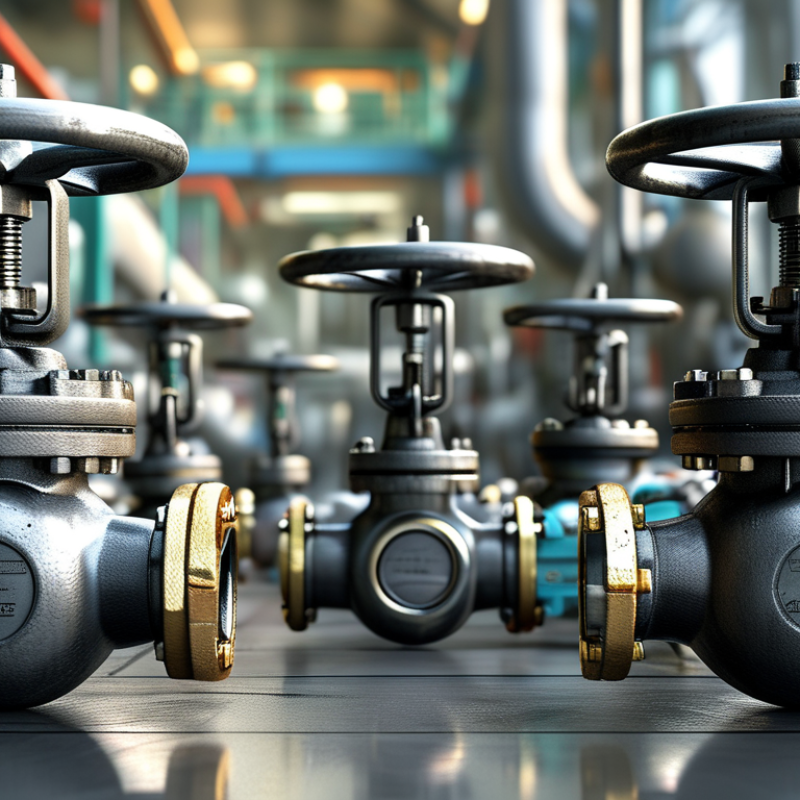
Advantages of Ball Valves in Industrial Applications
Ball valves are increasingly favored in industrial applications for several compelling reasons. One primary advantage is their durability. The American Society of Mechanical Engineers (ASME) reports that ball valves can last up to 30 years with proper maintenance, significantly reducing replacement costs. Their robust design allows them to withstand high pressures and temperatures, making them ideal for demanding environments like oil and gas or chemical processing.
Another critical benefit is efficiency. Ball valves offer a low-pressure drop. According to a report by the International Journal of Engineering Research, they can provide flow rates that are 30% higher than gate valves under similar conditions. This efficiency translates into energy savings and improved overall system performance. Furthermore, their quarter-turn operation ensures rapid open and close actions, reducing downtime during operations.
However, ball valves are not without their weaknesses. They may require periodic maintenance to prevent issues such as seat wear or contamination. Regular inspections are crucial to ensure reliability. Additionally, in certain applications, their sealing may not perform adequately if the valve is partially opened. This reflects an area where users need to assess their operational requirements critically. Understanding these advantages and limitations allows industries to make informed decisions about valve selection.
Comparison of Ball Valves with Other Valve Types
When choosing a valve for industrial applications, consideration is key. Ball valves stand out among various valve types due to their unique features. They provide tight sealing, which is critical in high-pressure environments. Their design allows for quick operation, making them suitable for systems requiring rapid flow control.
In comparison to gate and globe valves, ball valves have a simpler structure. This reduces maintenance needs and extends their lifespan. Gate valves often require more space and have slower operational speeds. Globe valves face challenges with high pressure drops. This means ball valves are often a more efficient choice, especially in complex systems.
Tip: Evaluate your system's pressure and flow requirements. This will help determine the best valve type. Consider installation space as well. In tight spots, ball valves may fit better than their bulkier counterparts.
Remember, while ball valves are efficient, they may not always be suitable for every scenario. Evaluate your specific needs and be ready to explore alternatives if necessary. Regular performance checks can ensure long-term reliability.
Factors to Consider When Choosing Ball Valves
When selecting ball valves for industrial applications, several factors must be meticulously considered. The size of the valve is critical. It must fit seamlessly into your existing piping system. A poorly sized valve can lead to leaks or inefficient flow control. Consider the pressure and temperature ratings too. Extreme conditions require robust materials to ensure durability and reliability.
Material selection is equally important. Common choices include stainless steel, brass, and PVC. Each material has unique properties affecting strength and corrosion resistance. Evaluate the nature of the fluid. Is it corrosive or abrasive? This can influence your choice significantly. Also, think about the valve's operating mechanism. Manual and automated options are available. Automation can enhance efficiency but may require additional maintenance.
Don't overlook the importance of certifications and standards. Valves should meet relevant industry guidelines. This ensures safety and performance reliability. Consider the long-term implications of your choice. Sometimes, the cheapest option isn't the most cost-effective in the long run. Reflect on your specific needs. The right valve can optimize processes and reduce operational downtime.
Why Choose Ball Valve for Your Industrial Needs? - Factors to Consider When Choosing Ball Valves
| Factor |
Description |
Advantages |
Applications |
| Size |
Ball valves come in various sizes suitable for different flow rates. |
Versatile for a wide range of applications. |
Oil & Gas, Water Treatment |
| Material |
Common materials include stainless steel, brass, and PVC. |
Corrosion resistance and durability. |
Chemical Processing, Food Industry |
| Connection Type |
Options include threaded, flanged, or welded connections. |
Easy installation and maintenance. |
Industrial Piping Systems |
| Pressure Rating |
Ball valves are rated for specific pressure levels. |
Reliable performance under high pressure. |
Power Generation, HVAC Systems |
| Temperature Range |
Capability of operating within specific temperature limits. |
Enhanced flexibility for various applications. |
Chemical Manufacturing, Steam Systems |
Common Industries and Applications for Ball Valves
Ball valves are widely used across various industries due to their reliability and efficiency. They are particularly common in oil and gas, water treatment, and chemical processing. These industries demand robust solutions to handle high pressures and corrosive substances. Ball valves excel in these environments because they offer tight sealing and simple operation.
In the oil and gas sector, ball valves help control the flow of production streams. They can be used in pipelines and refineries. In water treatment, they manage water flows in filtration and distribution systems. Their versatility makes them essential for maintaining system integrity.
Tips: Always consider the material compatibility of the ball valve with your specific applications. Sometimes, incorrect material selection can lead to failures. Regular inspections can prevent costly downtimes.
In chemical processing, ball valves handle harsh chemicals and high temperatures. Their design allows for a quick on/off operation, minimizing leaks. However, over time, the seals may wear out, requiring attention. It's crucial to monitor for any signs of degradation.
Tips: Implement a maintenance schedule for your valves. This can prolong their life and improve system performance. Don’t overlook small leaks; they could indicate larger issues.
Maintenance and Longevity of Ball Valves in Operations
Ball valves are a popular choice in industrial operations due to their efficiency and durability. Their design enables smooth operation and minimal friction. This translates to lower energy consumption, enhancing overall performance. Industry reports indicate that effective maintenance can extend the lifespan of these valves significantly, potentially reaching 20 years or more under optimal conditions.
Regular maintenance is key to ensuring reliability. Inspecting seals and seats is crucial. Over time, wear and tear can occur. Failing to address small issues early can lead to larger failures, increasing downtime. In fact, about 30% of maintenance costs in the industry stem from unplanned outages, according to various studies. Transitioning to a preventive maintenance approach can reduce these costs significantly, but it requires a commitment to regular checks.
While ball valves are generally low-maintenance, they are not immune to problems. Corrosion can affect performance, especially in harsh environments. Weathering and pressure fluctuations can also impact their longevity. Investing in quality materials can mitigate these issues, yet it is essential to train staff on proper handling and maintenance protocols. Each industrial context presents unique challenges, which demand tailored solutions to maximize the lifespan of ball valves.
Maintenance and Longevity of Ball Valves
Conclusion
Ball valves are increasingly favored in industrial applications due to their numerous advantages, including reliable performance, excellent sealing capabilities, and ease of operation. When compared to other valve types, ball valves excel in providing quick and complete shut-off, making them ideal for applications where flow control is critical. However, when selecting ball valves, various factors such as material compatibility, size, and pressure ratings must be considered to ensure optimal performance.
Commonly utilized across multiple industries, including oil and gas, water treatment, and manufacturing, ball valves can effectively handle a wide range of media. Their robust design also contributes to low maintenance needs and long service life, which are essential for maintaining operational efficiency. By understanding the benefits and considerations related to ball valves, industries can make informed decisions that enhance productivity and operational reliability.

 EHAO
EHAO