How to Choose a Reliable PPR Ball Valve Supplier?

Time:2026-09-08 Author:Madeline
0%

Choosing a reliable PPR Ball Valve Supplier is not a decision based on price alone. It affects installation quality, water safety, maintenance costs, and project timelines. A valve may look perfect on a product page, yet perform poorly when exposed to pressure, heat, or repeated operation.

A dependable supplier should explain material grades, pressure ratings, temperature limits, and connection dimensions clearly. Ask for product samples before placing a large order. Examine the valve body, handle movement, threaded inserts, and sealing surfaces. Small details matter.

Request batch records, factory quality procedures, and test reports from recognized laboratories. A trustworthy company should provide traceable information rather than vague promises. It should also explain how each valve is pressure-tested before shipment. Photos of the production line can help, but documents and consistent samples are stronger evidence.

Experience is equally important. Suppliers familiar with plumbing contractors can recommend suitable valve sizes and installation methods. They should understand common problems, such as damaged threads, uneven fusion, or leaking seals. Good technical support should continue after delivery.

Communication reveals a great deal. Does the supplier answer precise questions? Does it admit limitations? That matters.

No supplier is flawless. A careful buyer should still verify claims independently. Compare samples, inspect packaging, and review customer feedback from similar projects. A low quote may hide thin walls, weak handles, or unstable dimensions. Reliable selection requires patience, practical checks, and clear expectations. This guide will examine the supplier’s materials, certifications, manufacturing controls, delivery performance, and after-sales support, helping buyers make a more confident and defensible choice.
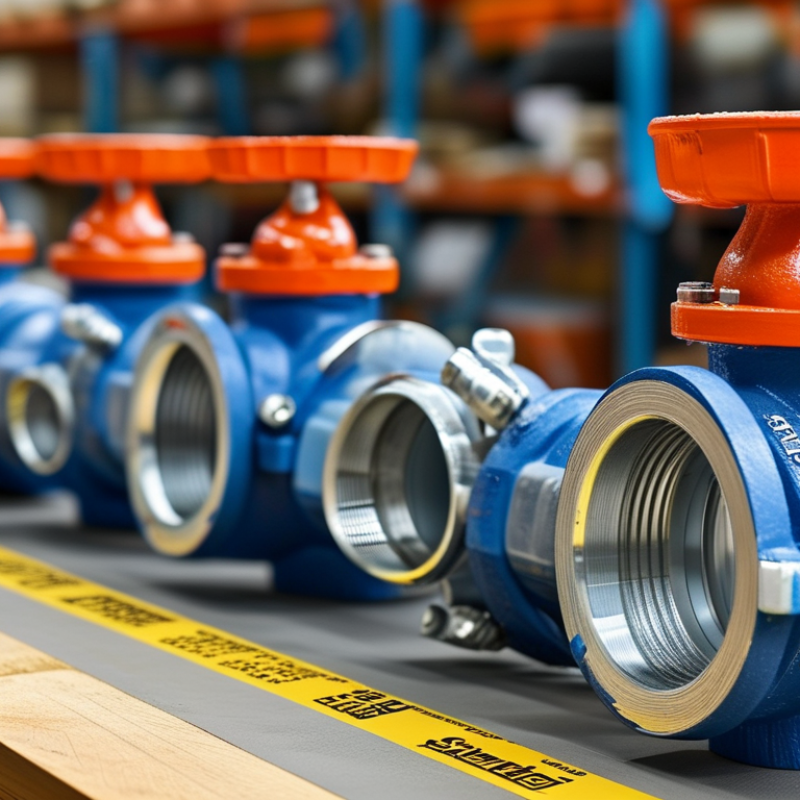
How to Choose a Reliable PPR Ball Valve Supplier?

Define Your PPR Ball Valve Requirements and Application Conditions

Choosing a reliable PPR ball valve supplier starts with a clear definition of your operating conditions. Specify the pipe diameter, fluid type, working pressure, temperature range, and connection standard. A valve for cold-water distribution may not suit a hot-water circulation line. Small differences matter.

Check the installation environment carefully. Is the valve placed indoors, underground, or beside a pump? Frequent operation requires a strong handle and durable stem design. Limited space may require a compact body. For drinking-water systems, ask for material safety documentation and traceable production records. For chemical or industrial fluids, confirm compatibility with every wetted component, not only the PPR body.

During supplier evaluations, request dimensional drawings, pressure-test procedures, and sample inspection reports. Compare wall thickness, sealing performance, handle strength, and operating torque. A supplier should explain test methods clearly, rather than offering vague claims. Ask whether each batch receives leak testing before shipment. This detail often separates a dependable factory from a careless one.

Do not overlook installation habits. Heat-fusion timing, pipe alignment, and cooling time can affect valve performance. Even a well-made valve may fail after poor joining. A common mistake is choosing by price before defining service conditions. I have seen this approach create unnecessary replacements. It seems efficient at first. It rarely is. Leave room for uncertainty, too. Real systems may face pressure surges, temperature changes, or occasional misuse. A responsible supplier should discuss these risks openly.

Evaluate Supplier Product Quality and Industry Standards

A reliable PPR ball valve supplier should prove quality through test records, not polished promises. The WHO/UNICEF Joint Monitoring Programme reported that 2.2 billion people lacked safely managed drinking water in 2022. This makes material safety and leakage control practical concerns, not marketing language. Ask for batch-based certificates covering resin grade, valve dimensions, wall thickness, and pressure performance.

Check whether the valve design aligns with ISO 15874 and relevant national requirements. For potable water use, request evidence related to NSF/ANSI/CAN 61 or an equivalent approved standard. Independent laboratory results should show hydrostatic pressure testing, operating-cycle testing, and socket-fusion performance. A supplier should also provide traceability from raw material lot to finished carton. Small details matter. Missing lot numbers are a warning sign.

ISO’s 2022 Survey recorded 1,265,216 valid ISO 9001 certificates worldwide. However, certification alone does not prove a valve will survive installation stress. Inspect sample valves yourself. Measure the handle movement, examine the sealing surfaces, and check whether the body feels evenly molded. I would not rely only on a digital report. Reports can be outdated, incomplete, or copied too easily. A factory audit, witnessed pressure test, and clear replacement policy provide stronger evidence, even when the supplier’s paperwork looks impressive.

How to Choose a Reliable PPR Ball Valve Supplier?

Evaluate supplier product quality and industry-standard compliance using a structured 100-point procurement checklist. The weighting reflects common industrial purchasing priorities and does not represent data from any specific company or brand.

Key standards to verify include ISO 15874 for polypropylene piping systems, ISO 16135 for thermoplastic ball valves where applicable, and ISO 9001 for quality-management systems. Confirm the latest applicable edition, test reports, material certificates, pressure ratings, dimensional tolerances, and batch traceability before approval.

Verify Manufacturing Capacity, Certifications, and Quality Control

Choosing a reliable PPR ball valve supplier starts with evidence, not polished brochures. Request factory photographs, production-flow records, and monthly output data. Confirm whether extrusion, injection molding, assembly, and pressure testing occur in-house. A capable facility should explain its machine capacity, maintenance schedule, and backup plan during peak orders. Ask for batch numbers linked to resin, operators, inspection results, and shipment dates. Small details reveal real manufacturing discipline.

Certifications require careful checking. The ISO Survey 2022 reported 1,265,216 ISO 9001 certificates worldwide, but certification alone cannot prove product quality. Verify the certificate’s scope, validity, factory address, and issuing body. For potable-water applications, request applicable health and safety approvals, such as NSF/ANSI/CAN 61 or recognized regional equivalents. Check whether the approval covers the exact PPR material, valve design, and intended temperature range. Generic certificates are weak evidence.

Quality control should include dimensional inspection, torque testing, hydrostatic pressure testing, and leakage checks. Request recent test reports, not only blank templates. Independent laboratory results add credibility, especially for long-term pressure performance. The WHO and UNICEF Joint Monitoring Programme reported that 2.2 billion people lacked safely managed drinking water in 2022, making material safety and leak prevention practical concerns. I would also inspect rejected samples and corrective-action records. A supplier claiming zero defects sounds impressive, but not very believable. Real factories sometimes fail inspections; reliable ones document what changed afterward.

Compare Pricing, Customization, Delivery, and After-Sales Support

Choosing a reliable PPR ball valve supplier requires more than comparing unit prices. A low quote may exclude testing, packaging, spare seals, or tooling fees. Ask for a clear price breakdown. Check the valve material, pressure rating, connection size, and operating temperature. Request samples with the same specification. A common sourcing mistake is accepting a lower price before confirming every component. A cheaper handle material can affect installation confidence.

Customization should solve a defined site problem, not decorate a catalog. Discuss logo marking, seal materials, handle color, thread standards, and carton labels. Request drawings before production. The supplier should confirm tolerances and approve revisions in writing. Delivery promises need production time, inspection time, and transport buffer. Ask how delays are reported and whether partial shipments are possible. A promised date without milestones is only an estimate.

After-sales support shows itself after the invoice. Confirm warranty scope, response time, spare-part availability, and claim evidence. Useful support includes installation guidance, test records, material traceability, and a named contact. Ask for a sample inspection report. It reveals whether quality control is real or merely stated. Slow replies before payment rarely become faster after delivery. No supplier is perfect; even strong processes can miss a batch issue. The better question is how openly the supplier investigates and corrects it.

Assess Supplier Reputation Through Reviews, References, and Factory Audits

How to Choose a Reliable PPR Ball Valve Supplier?

Supplier reputation deserves more than a high rating or polished website. Read recent reviews across several platforms, not only testimonials published by the supplier. Look for repeated comments about leakage, delivery accuracy, packaging, and after-sales responses. A single complaint may be unusual. Several similar complaints suggest a process problem.

Request references from customers who purchased comparable PPR ball valves. Ask how long the valves have operated, whether the handles remained smooth, and how claims were handled. Speak with purchasing and maintenance staff when possible. Their practical feedback often differs from sales feedback. Check whether the supplier can provide batch records, material details, pressure-test results, and traceability documents. Ask harder questions.

A factory audit can confirm whether those promises match reality. Inspect resin storage, injection-molding areas, assembly benches, and final inspection stations. Observe whether workers measure dimensions or rely on visual checks. Review calibration records for pressure gauges and testing equipment. An independent auditor can add useful distance, especially for large orders. Still, audits have limits. A factory may prepare unusually well for visitors. Unannounced or repeated inspections provide stronger evidence. My own evaluation habit is not perfect; I once focused heavily on equipment and underestimated document control. That mistake taught me to compare production records with shipped samples. A reliable supplier should accept this scrutiny without becoming defensive.

FAQS

: What information should I define before choosing a PPR ball valve supplier?

: Specify pipe diameter, fluid type, working pressure, temperature range, and connection standard. Small details matter.

Can one valve suit both cold-water and hot-water systems?

Not always. A valve designed for cold water may fail in hot-water circulation. Check temperature limits carefully.

What installation conditions should I discuss with the supplier?

Explain whether installation is indoors, underground, or beside a pump. Mention limited space and frequent operation.

What should I check for drinking-water applications?

Request material safety documents and traceable production records. The wetted parts need suitable materials, not only the PPR body.

Which technical documents should a reliable supplier provide?

Ask for dimensional drawings, pressure-test procedures, sample inspection reports, and batch leak-test records.

How can I judge valve quality beyond appearance?

Compare wall thickness, sealing performance, handle strength, and operating torque. A smooth handle is useful, but not enough.

What should customer reviews and references reveal?

Look for repeated comments about leakage, delivery accuracy, packaging, and after-sales responses. One complaint may be unusual.

Are factory audits enough to confirm supplier reliability?

No. Audits are imperfect. Review resin storage, assembly areas, inspection stations, and equipment calibration records.

Can installation affect a well-made PPR ball valve?

Yes. Heat-fusion timing, pipe alignment, and cooling time can affect performance. Poor joining can cause later leakage.

Should price be the main selection factor?

No. Price can mislead. Define service conditions first, then consider pressure safety, testing, traceability, and replacement risks.

Conclusion

Choosing a reliable PPR Ball Valve Supplier begins with clearly defining your project requirements, including valve size, pressure rating, temperature range, media compatibility, connection type, and installation environment. These details help ensure that the selected products are suitable for residential, commercial, agricultural, or industrial applications. You should also evaluate whether the supplier follows relevant industry standards and uses high-quality raw materials, precise manufacturing processes, and dependable sealing components.

A thorough supplier assessment should include verification of production capacity, certifications, testing procedures, and quality control systems. Compare quotations based on overall value rather than price alone, considering customization options, minimum order quantities, lead times, packaging, warranty terms, and after-sales support. Finally, review customer feedback, request references, and, when practical, arrange a factory audit to confirm the supplier’s actual capabilities. A transparent, responsive, and experienced partner is more likely to provide consistent products and dependable long-term service.


Madeline

Madeline

Madeline is a dedicated marketing professional with a wealth of expertise in our company's core offerings. With a keen understanding of the industry, she brings a unique perspective to her role, consistently delivering high-quality content that highlights the superior aspects of our products. As......