Choosing the right valve can feel simple until water quality, pressure, temperature, and installation space change the decision. For global buyers, a PVC ball valve must offer more than a low purchase price. It should provide dependable shutoff, suitable chemical resistance, and clear technical documentation. This guide examines the 3 Pvc Ball Valve options that deserve attention in international purchasing projects.
The comparison focuses on practical details that engineers and distributors often check first. These include body construction, seal materials, connection types, pressure ratings, operating temperatures, and maintenance access. A valve that performs well in a clean water system may not suit irrigation chemicals or industrial fluid lines. Small differences matter. A stiff handle can slow maintenance. Poorly molded threads can create leaks during installation. We also consider supplier experience, production consistency, inspection records, and communication quality. Certifications should be verified against the destination market, not accepted from vague product pages. That point is easy to overlook. Based on common sourcing and installation concerns, this review aims to present useful guidance rather than a perfect answer. Real projects still require pressure testing, media compatibility checks, and professional engineering judgment before purchase. The best choice is rarely the most attractive photograph. It is the valve that matches the system, arrives consistently, and keeps working after installation.
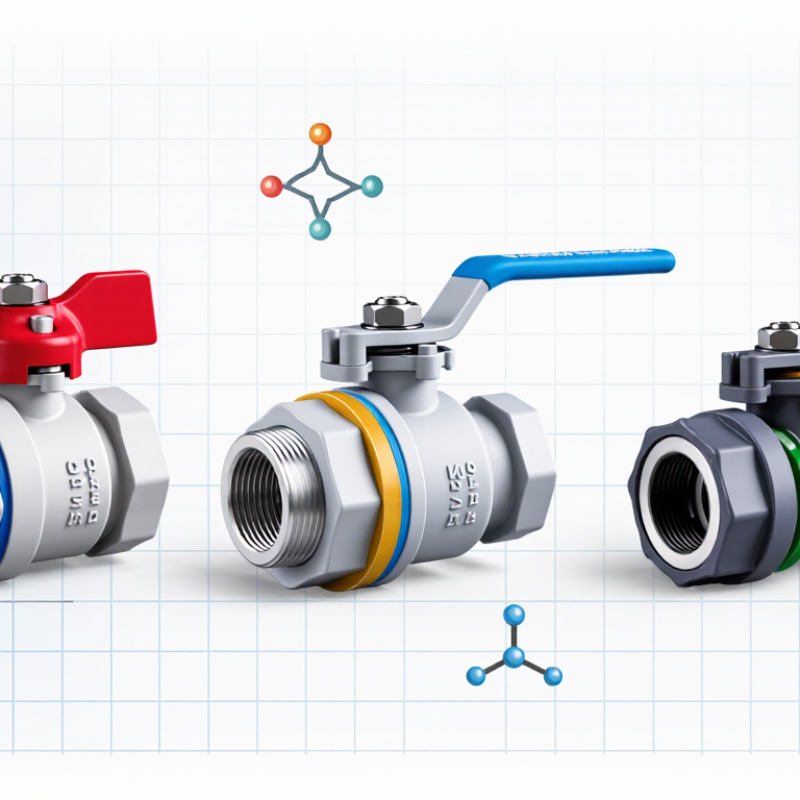
For global buyers, understanding PVC ball valve construction matters more than choosing by price. A typical valve uses a hollow, polished ball between two seats. A quarter-turn stem rotates the ball from full opening to full closure. That simple movement reduces pressure loss and makes operation easy. In field inspections, I look closely at the stem seal and seat alignment. Small defects can cause visible leaks.
The body usually uses rigid PVC, while seats may use PTFE or elastomeric compounds. Rigid PVC suits many water, irrigation, and light chemical applications. It is lightweight and resists corrosion, but excessive heat can deform it. The correct material depends on fluid, temperature, pressure, and exposure time. A compatibility chart helps, though charts cannot replace engineering judgment. Some choices look safe.
During operation, the stem transfers handle torque to the ball. When aligned with the pipe, the bore allows flow; when turned ninety degrees, it blocks flow. Do not force a stiff handle. Dirt, frozen seats, or excessive pressure may be responsible. When comparing three strong valve options, inspect pressure ratings, connection standards, replacement parts, and documented testing. I have learned that installation quality often matters as much as valve design. A slightly misaligned pipe can load the body and shorten service life. That detail is easy to miss.
| Valve Type | Typical Size Range | Port Design | Main Structure | Body Material | Ball Material | Seat and Seal Materials | Connection Options | Typical Pressure Rating | Temperature Range | Operating Principle | Key Advantages | Best Use |
|---|---|---|---|---|---|---|---|---|---|---|---|---|
| Full-Port True-Union PVC Ball Valve | DN15–DN100 (1/2–4 in) |
Full port; the flow passage is close to the inside diameter of the pipe. | Two-piece or three-piece body, floating ball, stem, removable union ends, and threaded body nuts. | PVC-U for general water and chemical service. | PVC-U or compatible corrosion-resistant thermoplastic. | EPDM or FKM seals; PTFE or compatible thermoplastic seats. | Socket, threaded, or mixed socket-threaded ends; union ends allow valve removal without cutting the pipe. | Actual rating depends on size, material, and temperature. |
Generally 0°C to 60°C for PVC-U systems; consult the pressure-temperature chart. | A quarter-turn handle rotates the ball 90°. When the bore aligns with the pipe, the valve opens; when the solid side faces the flow, it closes. | Low flow resistance, easy maintenance, good chemical resistance, and convenient replacement. | Industrial water treatment, irrigation, aquaculture, and chemical dosing lines. |
| Compact Reduced-Port PVC Ball Valve | DN15–DN50 (1/2–2 in) |
Reduced port; the internal passage is smaller than the connected pipe bore. | Compact two-piece body with an integrated or detachable handle, stem, ball, and sealing seats. | PVC-U; CPVC may be selected where higher temperature resistance is required. | PVC-U or CPVC, depending on the valve construction. | EPDM for many water applications; FKM for selected chemical services; PTFE seats are common. | Socket, threaded, or solvent-weld ends. | Pressure capacity reduces as operating temperature increases. |
PVC-U systems are commonly used up to approximately 60°C; CPVC designs may permit higher temperatures according to the manufacturer’s chart. | The handle turns the stem and ball through 90°. The reduced bore provides shutoff control but creates more pressure loss than a full-port design. | Compact dimensions, low purchase cost, simple installation, and suitability for space-limited pipework. | Residential plumbing, small irrigation branches, laboratory utilities, and equipment isolation. |
| Flanged Full-Port PVC Ball Valve | DN50–DN200 (2–8 in) |
Full port for relatively unrestricted flow and lower pressure loss. | Heavy-duty valve body with flanged ends, floating ball, anti-blowout stem, seats, seals, and a manual lever or actuator mounting pad. | PVC-U; reinforced thermoplastic or CPVC variants are available for specific services. | PVC-U or compatible thermoplastic. | EPDM, FKM, or PTFE-based sealing components selected according to the medium. | Drilled flanges manufactured to a specified standard, such as ISO, DIN, or ASME drilling patterns; the drilling pattern must match the pipeline. | Always verify the size-specific rating. |
Typically 0°C to 60°C for PVC-U; temperature and chemical compatibility must be checked before selection. | A 90-degree actuator or hand lever rotates the ball. The flanged body transfers pipeline loads through bolted connections and permits easier servicing of larger valves. | Suitable for larger pipe diameters, stable installation, easier alignment, and compatibility with manual or automated actuation. | Municipal water systems, wastewater plants, filtration skids, and large industrial process lines. |
| Selection note: PVC ball valves are intended primarily for on/off isolation rather than continuous throttling. Confirm the fluid’s chemical compatibility, connection standard, pressure-temperature derating, seal material, and local piping requirements before purchase. | ||||||||||||
Choose full-port, true-union, or actuated designs based on the installation problem. Full-port models reduce pressure loss during fluid transfer. True-union models detach without cutting the pipe. Actuated models support repeatable remote control. The choice is not always obvious.
PVC compounds, seals, pressure ratings, and temperature limits vary. EPDM may suit many water services. Aggressive chemicals may require another seal material. Test the actual fluid when possible. A catalogue shortcut can mislead.
Confirm pipe size, connection type, pressure rating, and temperature range. Check ultraviolet exposure for outdoor installations. Review the technical sheet and local requirements. A valve may fit physically but fail during operation.
Cut the pipe squarely and remove every burr. Dry-fit the complete assembly first. Use compatible cement for solvent-welded joints. Allow the stated curing time. Apply sealant carefully to threaded fittings. Excessive tightening can crack the valve body.
Keep the handle accessible after installation. Support heavy pipe runs separately. The valve should not carry their weight. Poor support can shift a joint and cause leakage. Alignment alone is not enough.
Move the handle monthly and inspect the body. Look for moisture, whitening, cracks, or stiff movement. Never force a seized handle. Isolate pressure before inspection. Keep a simple inspection record. Busy teams sometimes skip this.
Replace damaged seals when suitable parts are available. Replace the entire valve when repair parts cannot be confirmed. Long sunlight exposure can make PVC brittle. Freezing temperatures and incompatible chemicals can also cause damage. Do not trust a weakened handle.
Request pressure-test records, material declarations, batch markings, and warranty terms. Verify the model number, test date, issuing body, and factory address. A certificate may describe a similar valve, not the supplied one. Ask for samples before large orders. That check can prevent expensive mistakes.
Test the handle, union nut, shutoff seal, and connection dimensions. Check whether the valve matches the existing pipe standard. Inspect carton strength and spare-part availability. Small details often fail first. A damaged shipment can delay an entire project.
This guide explains how PVC ball valves are built, how they work, and why their corrosion resistance, light weight, and reliable shutoff performance make them suitable for many industrial systems. It examines key factors for global buyers, including valve size, pressure and temperature ratings, media compatibility, connection types, sealing materials, flow requirements, and actuator options. The comparison of 3 Pvc Ball Valve types highlights how different designs can balance durability, flow control, installation flexibility, and operating efficiency.
The article also covers correct installation, routine maintenance, leak inspection, and essential safety practices to support long service life. In addition, it outlines the importance of reviewing international standards, product testing, material documentation, certifications, and supplier quality controls. By evaluating technical performance, compliance requirements, total cost, and sourcing reliability, buyers can select PVC ball valves that match their application and meet the expectations of international industrial projects.

 EHAO
EHAO