In the realm of plumbing, the PPR Ball Valve emerges as a critical component. It offers durability and excellent flow control. Global buyers must navigate various options to choose the best PPR Ball Valve. The market is filled with brands and styles, each claiming superiority. With such variety, it can be challenging to make an informed choice.
Quality is paramount. A reliable PPR Ball Valve should withstand pressure without leaking. Look for materials that ensure longevity. Some manufacturers use high-grade polypropylene, which enhances performance. Nevertheless, buyers often overlook the importance of proper installation. A poorly installed valve can lead to costly repairs.
Consider the size and connection type. The right fit ensures optimal function. Additionally, research customer reviews to gauge real-world performance. While many valves work well, preferences vary. Each buyer's needs are unique, making it crucial to reflect on specific requirements before purchasing. Emphasizing these considerations leads to a more informed decision.
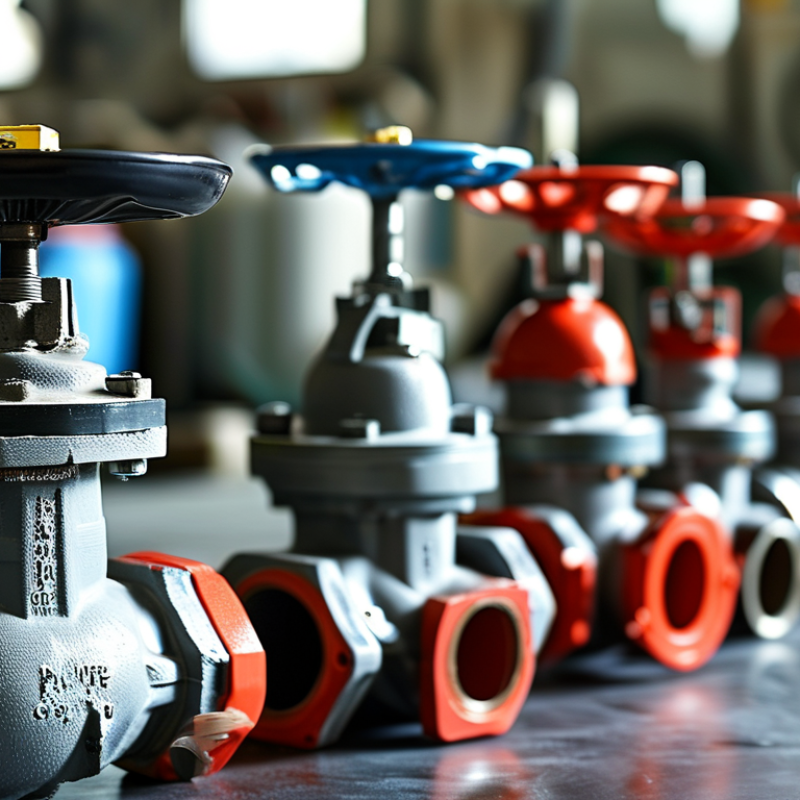
PPR ball valves are essential components in various plumbing and industrial applications. They offer durability and resistance to corrosion, making them suitable for hot and cold water systems. According to a report by MarketsandMarkets, the global demand for PPR pipes and fittings is projected to reach over USD 4 billion by 2025. This indicates a strong growth trajectory for PPR products, including valves.
When selecting a PPR ball valve, consider the valve's pressure rating and temperature resistance. A high-quality valve should maintain performance under extreme conditions. Look for valves that are designed to withstand pressures of up to 20 bars or more. Materials used in the construction of the valve also play a critical role in longevity and performance.
**Tip:** Ensure that the valve body and ball are made of high-grade PPR material to enhance longevity.
Another key feature is the sealing mechanism. A well-designed sealing system minimizes leakage and maximizes efficiency. According to industry standards, valves with EPDM gaskets have proven to provide better sealing performance in many applications.
**Tip:** Verify that the valve is tested for leaks before purchase.
While many manufacturers claim optimal performance, not all valves live up to expectations. Be wary of low-cost options that might compromise quality. Balancing cost and quality is crucial for ensuring a reliable installation and long-term use.
: PPR ball valves are used in plumbing and industrial applications. They handle hot and cold water systems effectively.
Consider material quality, size, pressure rating, and installation ease. Ensure the valve suits your specific plumbing needs.
The pressure rating indicates how much pressure the valve can handle. A good valve should withstand at least 20 bars.
High-grade PPR provides durability and corrosion resistance. Poor materials may lead to leaks and shorten the valve's lifespan.
Valves with EPDM gaskets offer better sealing performance. They can minimize leaks and improve efficiency.
Low-cost options might compromise quality. This could lead to installation issues and reduced reliability in the long term.
Yes, checking for leak testing is crucial. It ensures the valve operates correctly and reduces maintenance costs.
An oversized valve can create inefficiencies, while an undersized valve may struggle to handle required flow rates.
A good warranty indicates manufacturer confidence. It reflects on the product's expected longevity and performance.
Yes, consulting a plumbing professional can provide valuable insights. Their experience may help in making informed choices.
The article titled "Best PPR Ball Valve for Global Buyers: What to Look For?" provides a comprehensive overview of PPR ball valves, highlighting their key features and benefits, such as durability and resistance to corrosion. When selecting a PPR ball valve, buyers should consider factors such as size, pressure rating, and compatibility with various systems to ensure optimal performance.
Additionally, the article compares different brands available in the market, which helps potential purchasers make informed decisions. It also offers maintenance tips to extend the lifespan of PPR ball valves, emphasizing regular checks and proper usage. Lastly, the discussion on global standards and certifications underscores the importance of quality assurance in selecting reliable PPR ball valves for various applications.

 EHAO
EHAO