In the industrial sector, efficiency and durability are paramount. The use of **Ball Valve Plastic** has gained traction for various applications. As expert Dr. John Smith, a leader in fluid control technologies, states, "Plastic ball valves are revolutionizing how industries manage fluid flows." His insights reflect a growing recognition of these valves' benefits.
Plastic ball valves offer key advantages, such as lightweight construction and corrosion resistance. These features lead to lower maintenance costs and longer lifespans. Additionally, the versatility of **Ball Valve Plastic** makes them suitable for various environments. However, greater industry awareness of their limits is needed. Despite the many benefits, some may overlook potential drawbacks, such as lower pressure ratings than metal valves.
The plastic materials used can also influence performance. Users must choose wisely, balancing cost and functionality. As industries evolve, it’s critical to rethink traditional practices. Embracing innovative solutions like **Ball Valve Plastic** can lead to substantial improvements in operational efficiency.
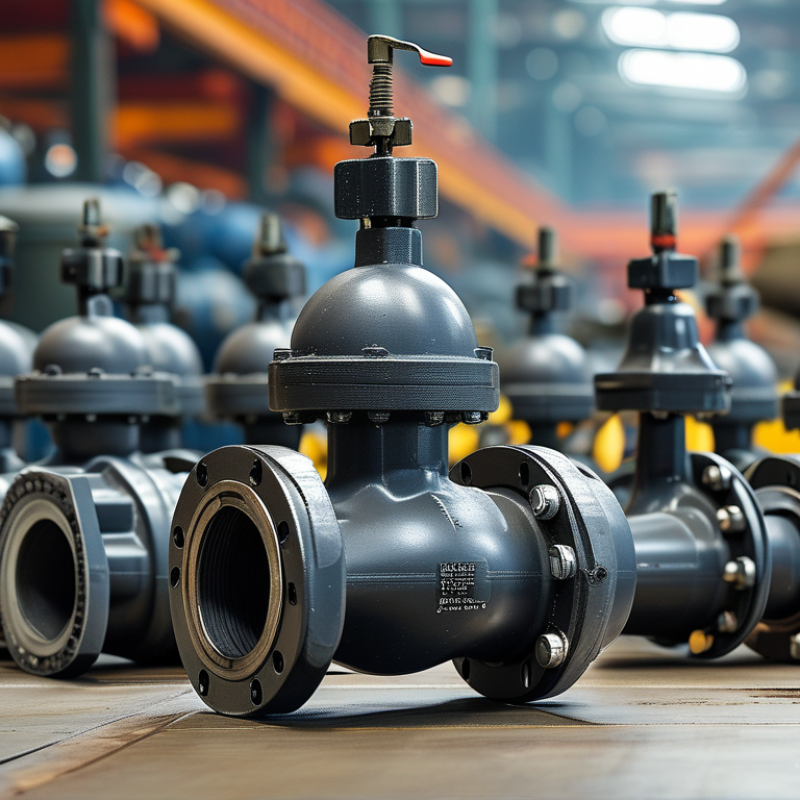
Advantages of Plastic Ball Valves: A Comparison with Metal Valves
Plastic ball valves offer several advantages over their metal counterparts, making them a popular choice in various industrial applications. One significant benefit is their lightweight design. This feature makes installation easier and reduces handling stress on piping systems. Additionally, plastic ball valves are resistant to corrosion, ensuring durability when exposed to harsh chemicals. Unlike metal valves, they do not rust, which can enhance system reliability.
Another important consideration is cost-effectiveness. Plastic valves generally have a lower upfront cost compared to metal options. They also require less maintenance over time, as their non-corrosive properties extend their lifespan. However, it's essential to evaluate their performance under high-temperature or high-pressure conditions. While plastic valves function effectively in many scenarios, they may not suit every application.
The sealing capabilities of plastic ball valves are commendable. They provide excellent shut-off characteristics and can prevent leaks efficiently. However, there might be concerns about their resilience during extreme conditions. Evaluating your specific needs is crucial. In some instances, metal valves might still prove superior, particularly for demanding industrial environments. Careful selection based on application requirements can ensure optimal performance and reliability.
Durability and Resistance: Understanding the Longevity of Plastic Ball Valves
Plastic ball valves are gaining popularity in various industries due to their notable durability and resistance properties. These valves can withstand chemical exposure and high-pressure environments better than many traditional materials. Their long-lasting nature is achieved through advanced designs and quality materials. This makes them a smart choice for applications that require reliable performance over extended periods.
**Tip:** Regularly inspect your plastic ball valves for signs of wear or damage. Early detection can prevent bigger issues down the line.
In addition to chemical resistance, plastic ball valves offer significant weight advantages. They are lighter than metal options, which simplifies installation and maintenance. However, users should be aware that extreme temperatures might affect the longevity of these valves. Hence, understanding the specific conditions your valves will face is crucial for optimal performance.
**Tip:** Always check the manufacturer’s specifications for temperature limits. Adhering to these guidelines ensures the valve performs effectively throughout its lifespan.
Top 10 Advantages of Using Plastic Ball Valves for Industry
Cost-Effectiveness: Analyzing the Economic Benefits of Plastic Ball Valves
Plastic ball valves are becoming increasingly popular across various industries. One major advantage is their cost-effectiveness. They are typically less expensive to purchase and install compared to metal valves. This affordability allows businesses to allocate resources more efficiently.
In addition to the lower initial cost, plastic ball valves can reduce long-term operational expenses. They tend to be lighter and easier to handle, leading to lower labor costs during installation and maintenance. Moreover, they resist corrosion and chemicals, which means fewer replacements over time. This durability adds to their economic appeal.
However, using plastic ball valves is not without challenges. They may not be suitable for extremely high-pressure applications. Some industries require stricter safety standards that plastic valves cannot always meet. Companies must evaluate their specific needs carefully. Balancing cost savings with performance requirements is essential for making the right choice.
Corrosion Resistance: The Impact of Plastic Materials in Harsh Environments
Plastic ball valves excel in corrosive environments, making them indispensable in various industries. Their construction from high-performance polymers, such as PVC, CPVC, and PVDF, contributes to their remarkable resistance to chemical degradation. Research indicates that these materials can withstand extensive exposure to corrosive substances without compromise. For example, a recent study highlighted that laboratory testing of PVDF valves showed no significant wear even after prolonged contact with aggressive acids.
The lightweight nature of plastic ball valves further enhances their utility in harsh settings. Unlike metal counterparts, they reduce the overall burden on pipe systems. This weight reduction can lead to easier installation and reduced labor costs. According to industry reports, companies have documented up to a 30% decrease in maintenance costs when using plastic valves instead of metal ones in corrosive applications.
However, it's important to consider limitations. While plastic valves resist many chemicals, they may not be suitable for every substance. Exposure to certain solvents can lead to performance issues. Additionally, temperature fluctuations can affect their integrity over time. Industry professionals must evaluate their specific conditions before making a decision. Understanding the balance between cost savings and potential risks is crucial for effective long-term planning.
Weight and Installation: Evaluating the Benefits of Lightweight Plastic Valves
Plastic ball valves are becoming increasingly essential in industrial applications. Their lightweight nature significantly eases installation processes. A report by the American Society of Mechanical Engineers noted that using plastic valves can reduce installation labor costs by up to 30%. This is mainly due to their manageable weight and ease of handling.
Typically, plastic ball valves weigh considerably less than metal counterparts. For instance, a plastic valve can be 70% lighter than a comparable brass valve. This weight reduction contributes to less stress on piping systems. Additionally, lighter valves require smaller support structures, which saves on construction and material costs. In industries like chemical processing and water treatment, these savings can be substantial and lead to more efficient operations.
However, it's worth considering the limitations. Plastic valves may not be suitable for extremely high temperatures or pressures. Some users have reported issues with durability in harsh environments. While advancements continue to enhance plastic valve resilience, challenges remain. Careful evaluation of specific operational needs is essential before making a switch. Ultimately, weighing benefits against potential drawbacks is crucial for making informed decisions in valve selection.
Top 10 Advantages of Using Plastic Ball Valves for Industry
| Advantage |
Description |
Benefit |
| Lightweight |
Plastic ball valves are significantly lighter than metal alternatives. |
Easier handling and installation, reducing labor costs. |
| Corrosion Resistance |
Plastic valves do not corrode over time like metal valves. |
Longer lifespan and lower maintenance needs. |
| Cost-Effective |
Generally, plastic valves are less expensive to produce and purchase. |
Lower upfront costs for projects. |
| Easy Installation |
Plastic valves are easier to install due to their lightweight nature. |
Reduced installation time and associated costs. |
| Thermal Insulation |
Plastic valves have better thermal insulation properties. |
Maintains fluid temperature better than metal valves. |
| Non-Conductive |
Plastic materials do not conduct electricity. |
Safer for use in electrical applications. |
| Low Noise Levels |
Plastic valves tend to reduce noise compared to metal options. |
Quieter operation, enhancing work environment. |
| Wide Chemical Compatibility |
Plastic is highly resistant to many chemicals. |
Versatile use in various industries. |
| Environmentally Friendly |
Many plastic valves are made from recyclable materials. |
Less environmental impact during disposal. |
| Customizable Designs |
Easily molded into various shapes and sizes. |
Tailored solutions for specific applications. |
FAQS
: Plastic ball valves are lightweight, resistant to corrosion, and more cost-effective than metal valves.
Their lightweight design makes installation easier and can reduce labor costs significantly.
They resist rust and corrosion but may have limitations in extreme temperatures and pressures.
Plastic ball valves generally have a lower initial cost and require less maintenance over time.
They provide excellent shut-off characteristics, effectively preventing leaks in most scenarios.
Some applications may still require metal valves, especially in demanding industrial environments.
They may not be suitable for extremely high temperatures; their performance can vary.
Their lighter weight typically requires smaller support structures, leading to cost savings.
Evaluating the specific operational needs and potential drawbacks is essential for informed decisions.
Users have reported durability issues in harsh environments, which may need to be addressed.
Conclusion
Plastic ball valves offer numerous advantages over their metal counterparts, making them an attractive choice for various industrial applications. One of the primary benefits is their durability and resistance to environmental factors, ensuring a longer lifespan. The lightweight nature of ball valve plastic also simplifies installation and reduces overall operational costs. Additionally, these valves demonstrate exceptional corrosion resistance, making them ideal for use in harsh environments where metal valves may fail.
From an economic standpoint, the cost-effectiveness of plastic ball valves is significant. Their lower initial purchase price, coupled with reduced maintenance needs and extended service life, further solidifies their role as a practical solution for industries seeking reliable and efficient valve options. Overall, the combination of durability, weight advantages, and economic benefits positions ball valve plastic as a superior choice in modern industrial settings.

 EHAO
EHAO